Lessons from the Digital Circus: Gangle, Zooble, & Caine

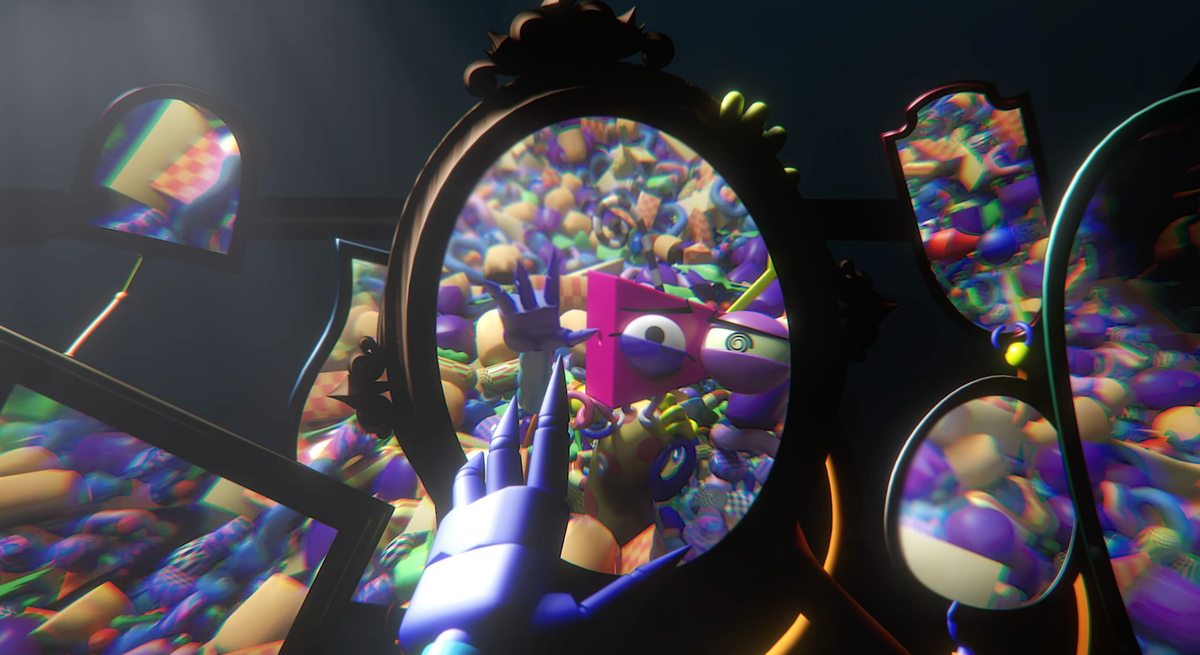
Two weeks ago, I discovered my next big obsession in the form of the bizarre, unhinged world of The Amazing Digital Circus. I'd heard of it by name and reputation (and wacky GIFs from friends) as one of the most widely-praised indie web series in history. Despite its beginnings in 2022 and the release of the pilot episode in October of 2023, I had seen hardly anything from the show before the Monday of June 8th. After finishing the first three episodes (streaming for free on YouTube, if you're interested), I was immediately invested in the hook, humor, and, most of all, the characters.
Besides sporting instantly recognizable character designs that could make any animator gush, the character's distinct personalities and relationships to one another got more and more interesting with each adventure. While by first impressions their dialogues with one another are witty, unique, and highly entertaining, the conflicts and intertwined journeys they each go on unfolds more and more with each episode, creating one of my all-time favorite fictional casts ever.
While there's an abundance of reasons supporting each and every member being someone's favorite, they each feel like a valuable addition to the ongoing narrative. Each of their arcs feel distinct yet cohesive to the overarching themes of isolation, mental health, and community that makes this piece of art so meaningful. And one of the best examples to how their respective arcs tie together is thought the example of Gangle, Zooble, and- shockingly enough- Caine. So, my little hard shelled hamburgers, let's get this show on the road.
[Spoilers ahead for all episodes of The Amazing Digital Circus]
GANGLE
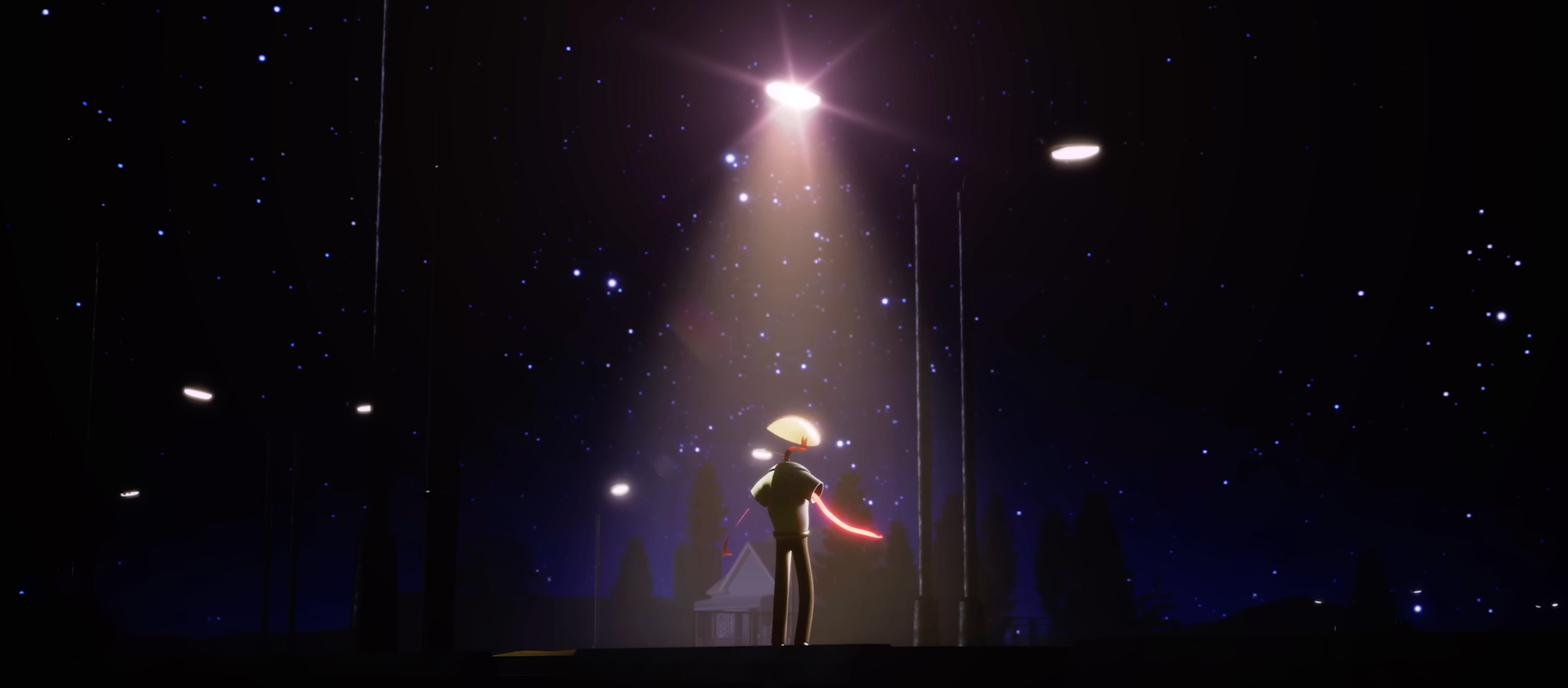
One of the most recognizable characters invented by the show's creator, Gooseworx, Gangle is, as Jax would call her, "the sad one". With her unique gimmick of a fragile comedy mask that always breaks at some point of each episode, many use her dual faces to determine whether she's happy or sad. But it goes much, much deeper than that. Gangle's masks aren't simply mood identifiers- they're representative of her inner conflict, a totem of her vulnerable self-confidence.
Let's get the biggest question for most who are familiar with the story out of the way first: why does Gangle's comedy mask break so often? Other than the literal physics and laws of Caine's digital world, what does this gimmick symbolize about Gangle's character? When gathering my notes, this was one of the first big questions I explored as I rewatched the first episodes, and here are some of my thoughts:
- Gangle's comedy mask is representative of what she believes to be the "good" parts of who she is. Whatever she likes or believes is, at the very least, presentable of her core as a person, whether it be dreams, traits, or behaviorisms. This would mean that her tragedy mask are the parts of her she wrestles with more, particularly pertaining to how other's might view and judge her for those specific parts. It's less what she likes or dislikes, and moreso what she thinks others would approve of or admire, opposed to alienating or criticizing.
- Her comedy mask symbolizes one's self-confidence breaking under pressure. While more abstract, this still aligns with the point before, and thus they can coexist with one another. When Gangle is pushed beyond what she is comfortable with, and begins doubting herself or her feelings, her comedy mask folds under the weight of how she thinks others see her and shatters.
- When her comedy mask breaks, it's like having your "brave face" falling down, revealing your inner struggles and fears. It is reminiscent of when stomaching your personal struggles and emotions becomes too much, and you let your guard down, exposing what you believe to be your more worse or more negative feelings.
(Yes, I know that obviously these aren't literal rationalizations of explaining exactly how her mask breaks; they're more meant to support a major idea.)
Of all of these, I connect to the first option the most, with the second also blending with it. This explains Gangle's constantly uncertain behavior, from anxiousness over mistakes, hesitance to think for herself, and timidness in the face of Jax's bullying.
Despite the whole cast being included in each every one of the series' nine episodes, each episode seems to have once clear "focus character", as some would call it. And, with Gangle, that would be represented by the fourth: Fast Food Masquerade. This episode not only includes some of the series best physical comedy, but it also furthers Gangle's growth as a character.
Near the beginning of the episode, Zooble gives Gangle a plastic mask as a 'replacement' of sorts, so she won't have to worry about her comedy mask breaking. As the episode goes on, Gangle seems like an entirely different person than we knew her before. She's all peppy and cheery as she manages their day shift at Spudsy's; her anxious, unsure composure from prior adventures seems to have vanished... but at what cost?
I've discussed the deeper symbolism of her comedy mask, but what exactly is this plastic mask, and why is it important? Put simply, Gangle's new plastic mask shows her doing her best to stomach her fears, struggles, and flaws in order to appear as confident and compatible with others as she can. Not only is it a strong allegory to the fast food industry, it also deepens our perception of Gangle. By this point, she's beaten down and tired from her self-doubt and worrying about exposing her flaws to others. For once, she wants to be the brave, strong one, who doesn't have to worry about her flaws or worries. So, she puts on a good face (literally) and shove whatever her feelings are deep down where no one can see them.
And, as a result, she becomes arrogant to those around her and how she treats them. She becomes overly aggressive and touchy with her co-workers, belittling their place the same way she felt she was in the past. She becomes so focused on appearing confident and satisfied with who she is and what she's doing that she doesn't notice how displeased and fed up her friends are becoming. Because of this, when they finally are pushed beyond their breaking point and lash out at her, she doesn't even give herself a moment to give weight to the sentiment. She acts like it never happened, like she's always wanted.
Early on through the episode, Gangle's behavior could come off as out of the ordinary for her established character, which it partially is. But, the deeper and further you think about it, the more clear it becomes. As we spend more time with Gangle, in particular in scenes of her and Zooble, we learn how her mind file's real-life counterpart, Zoey Raghavan, at the time of her brain's scanning into the circus, had begun to give up on her dreams of becoming a sustainable manga or comic artists, as she had dreamt off being. Instead, she pursued a more safe, viable career, due to her fear of those same goals that many deemed as unrealistic or 'weird'.
This explains why she, of all the others, was given such an unusual circus body. It was because of how had defaulted to simply fulfilling others' expectations of who she should be or do, wearing her own mask in hopes to please everyone's views of her and be a 'normal' person.
As with much of the cast, it takes a bit of time for Gangle to both express her true feelings to others and also begin to overcome them. But, nevertheless, the person perhaps the most responsible for helping Gangle along her journey to self-acceptance is her close friend, Zooble.
During one of their interactions (specifically from episode six, They All Get Guns), Gangle begs the question,
"How are you supposed to like the part of yourself that just makes you worse than everyone else?"
And Zooble's response to this is the fact that "it exists". Because humans are multi-dimensional, with countless parts of what makes us us, Zooble helps Gangle see that all the different facets of who we aren't to be ashamed of simply because they might be different than what most people want or expect. Rather, they are to be cherished for the role they play in making us distinct. Whether we can grow in certain areas or love parts of us more than we do isn't the point she's making; she means to show Zooble the beauty of simply being.
This theme continues in the finale, where Zooble reminds Gangle that they're still human, no matter what. And, being human, we're prone to widely varying emotions and flaws and views of ourselves in different moments. It's the complexity that makes life unique and worth living.
All in all, Gangle's journey shows us a surreal example of what it's like to feel ashamed of both behaving differently than others as well as being told that our dreams are too unrealistic. When she shows her inner struggles, she feels uncomfortable in how others might be comparing her to what's the norm. Instead, she tries to, quite literally, mask her problems, only harming herself and others more as a result. In the end, she shows us one core lesson: acceptance of your whole being is an essential step in handling self-doubt.
ZOOBLE
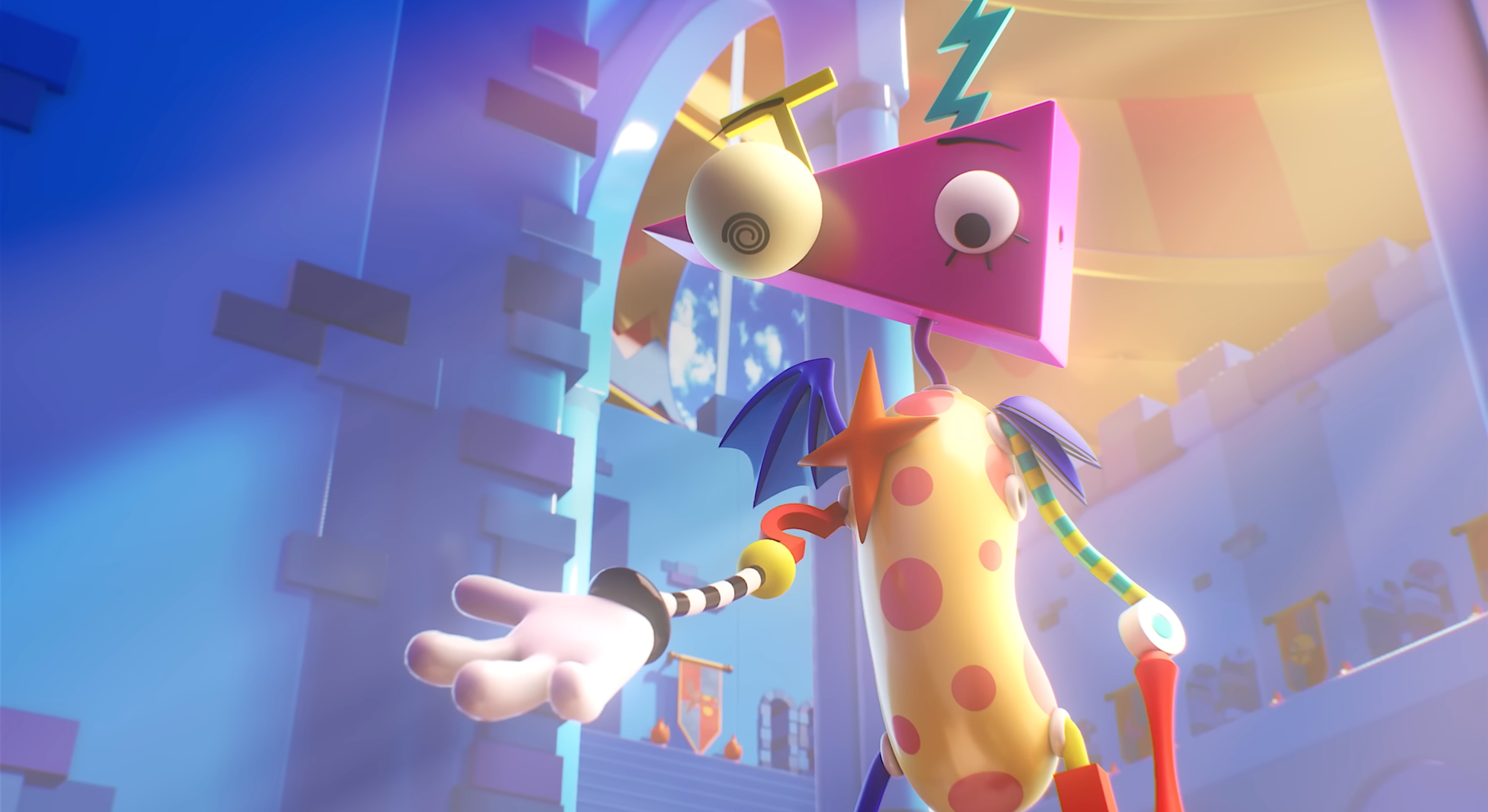
Ah, Zooble. Another great example of the series' innovative character design, Zooble's gimmick of being made of interchangeable parts serves as a strong physical parallel to her growth throughout the show, even if it is much subtler compared to some of the others.
In the first few episodes, we hardly see Zooble much, as she is first dismembered by the gloinks in the pilot and stays at the circus for the whole of the second episode's adventure. By the third episode, however, Caine ropes Zooble into a makeshift therapy session where we get a glimpse into Zooble's mindset. As one can imagine, all of the circus characters hate their digital bodies, but with Zooble this matter is particularly resonant. She tells Caine frustratedly how uncomfortable she feels with her finicky appearance and is irritated by her removable limbs. She's uncomfortable in her own skin, a feeling that prompts her desire for something that feels natural and true to her.
Admittedly, Zooble is one of the circus members we see the least of in terms of direct character exploration. Her growth happens more behind the scenes, but is nonetheless still present. After being forced into joining the fast food adventure in the fourth episode, Zooble begins sticking around for the following adventures. Little do we know, this is what helps heal her hurt the most. By simply being around the others, she begins to feel more natural in her body, and, by the sixth episode, she seems to have almost entirely gotten over her uneasiness about her appearance.
Because of this, where she really shines is in her time with Gangle. As I've mentioned, Zooble is the big reason Gangle is able to come to grips with her struggles and grow out of them. But not only does this appear to help Gangle, but healing seems to also come to Zooble.
Zooble's confidence and growth in accepting her identity and all of the different identifiers of who she is are what help Gangle get past her doubts. Because Zooble had been able to learn how to love who she was, she can now share her experience with Gangle, in the hopes that she can heal just as Zooble did. Zooble teaches Gangle that, as real people with personalities, interests, and countless other facets of who we are, the fact that there is so much depth to us is something to be celebrated, not inherently ashamed of. She tells her,
"You have to choose to love yourself, even if it doesn't make sense. It's not natural, it's intentional."
She assures her that she shouldn't try to be anybody but the real her, even if it means identifying the more negative parts of her personality. Acting like the flaws and fears aren't there only makes them worse, but by accepting the whole of who we are, we can address and come to closure about what makes us us, as well as how to grow past our faults and evolve.
The center of Zooble's arc is perhaps best shown on the digital beach, where she admits to Jax how the ability to change isn't all bad. To adapt is part of life, and, in the face of lingering struggles, she knows that she can talk through them with those that she trusts.
Zooble does indeed seem to get the short stick in terms of substantial character material. But her impact, well perhaps not as deep or complex as most of the others, is just as meaningful as theirs. She, like anyone else, feels discontent and unfamiliar in her shift to the digital plane. But she is able to get past it and accept who she is, and uses that self-assurance to help reach out to others. She teaches us how confidence in your identity can allow you to help others accept who they are.
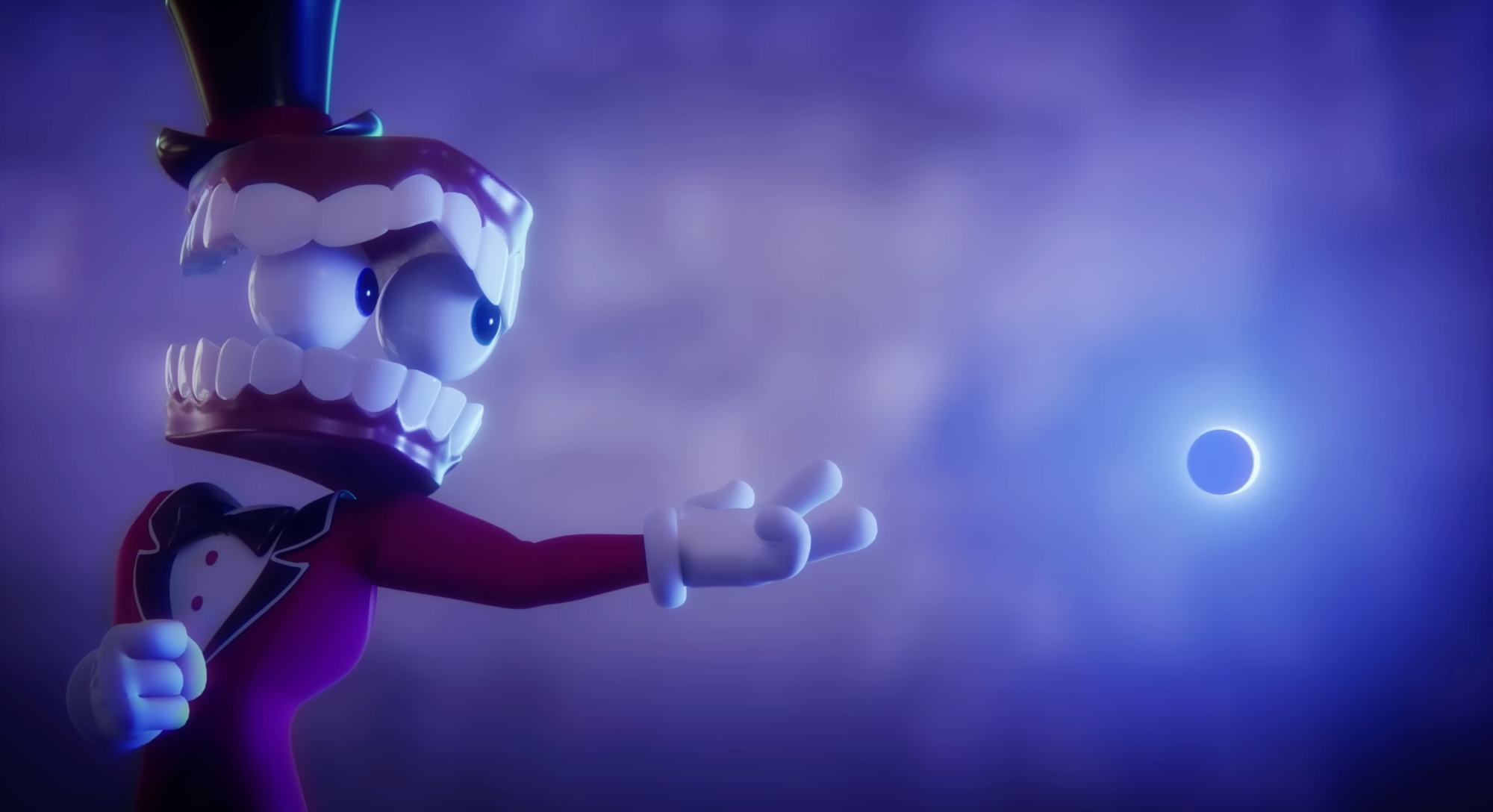
While Caine is not a part of the main circus ensemble, as he serves the role of ringmaster, he is nonetheless just as noteworthy of our main characters. His introduction as the one running the show, alongside his quirky charm and flamboyant presence, can easily get in the way of deeming him as a truly compelling character. Nonetheless, his journey as he explores the ins and outs of a healthy, fair relationship is handled with just as much quality and emotion to pay off in the end.
Something to keep in mind about Caine: he's basically AI who acts like a child, with all the angst and energy that comes with it. Right from the first episodes, it's immediately evident how much he just wants to make his 'friends' happy. The central force in his way, however, is his arrogance to their needs and feelings. While there's nothing inherently malicious or wrong about him wanting to please others, it's devolving more and more into a necessity to satisfy his own personal ego.
This is also visible in the times when he does try to reach out to the others and receive "constructive criticism", like he does with Zooble in the third episode. In their therapy session, Caine tries to let Zooble open up to him on what's weighing down on her, though for the complete wrong reasons. He's doing it to prove his point and to simply make his adventures more appealing, not to perchance aid Zooble in handling her struggles through any way. His insistence on making it their whole time about him and fulfilling his pride in how he pleases others only irritates Zooble further, snowballing more and more as tension in the circus builds.
As the series progresses, Caine begins taking more and more pushback from the others, and he begins to question his capabilities as circus master. Since making his adventures is all he was programmed for, they're accusing him of being bad at the one thing that he's "good at". As his doubts grow, his outlook towards the others twists further, to the point of him tipping past his breaking point. Through this, he proceeds to excessively push and use the circus cast, even physically and psychologically torturing them.
The burning question in him of if they really care about him or all he's done to try to impress them is what causes him to behave so impulsively. He can't bear believing that he isn't doing his job badly, and thus concludes that he can't be the source of the problem. And, because he doesn't have a genuine connection to the very people he's trying to please, he responds to his inner conflict by discrediting and pressuring the others. He lashes out at them without explanation, rather than considering their vantage point or taking their side into any account.
One line of his in particular paints his mindset towards this issue especially clear:
"I can solve any problem. I can solve this one! That's what this is- a big puzzle that I need to solve."
His outlook towards this is all based on confidence and reliance on his own personal ability to fix any issue he meets, all by himself. He's fixed so many different kinds and sizes of problems, surely he can patch this one up. This highlights exactly what's keeping him from truly connecting with the others: his ego always gets in the way of whatever true ground is made in establishing a strong relationship with them.
It isn't until he's mistakenly deleted and left in the Void that he finally begins to break through his self-reliance. Alone, with no distractions or expectations, he's left to ponder what went wrong in all his attempts to become friends with these 'freakish' humans. It is here that we not only see Caine develop even further as a character, but also what might be a primary source of his mysteriously conflicting desires.
Up until this point, there have been several instances of Caine's wants and goals seeming to shift, although much more implicit than other character details. We've seen how much he seeks to prove himself, but we've also seen glimpses of a darker side of him seemingly taking over for brief flashes. Something deeper that asserts itself as above everything else in the digital plane, even the humans. It's this that most certainly pushed Caine to his limit shortly before.
In the final two installments, we see that Caine isn't made up of just his software. Through the cryptic and eerie beginning of the eight episode, we watch the learning and evolution of two AI- the first one red (Caine) and the second blue. The red one, created before the blue, absorbs data and begins creating before it is constrained in some way, perhaps scrapped or tossed aside to make room for the next artificial intelligence. However, as the second blue AI is intaking data and experimenting, the red breaks free from its constraints and consumes the blue, merging them together under the red's control. The red then proceeds to make a digital, circus-themed world, before the scene ends and we jump back to the present.
This scene doesn't give any big, resonant revelation to the series on a first watch, but does give more nuance after experiencing the final episode and rewatching the series. And, while we may not officially find out what truly happened, or what the two AI represent, or what the resolution of this plot thread means, I do have a theory of sorts that ties this in to Caine's arc. (Just keep in mind that I am by no means a tech-savvy kind of guy, and my logistics could be completely unrealistic.)
In Remember, Caine removes the blue AI from his system and sets it free into the Void, losing a fraction of his power in the process. But I believe that the blue AI could be a contributing factor of Caine's aforementioned breaking point. When Caine merged the blue AI with himself, he remained Caine. But he did absorb the blue AI's capabilities and allowed it to enter his own code as a part of him. Perhaps, with the two merged into Caine's 'mind' (for lack of a better term), Caine's desires became constantly clashing with those of the blue AI, resulting in his somewhat divided personality.
I'll take the tradeoff between Caine shortly before the two separate for an example: Caine, at this point, has finally begun to acknowledge his unfair treatment of the humans in the circus. However, he keeps glitching, with his anatomically standard two eyes being replaced with two spheres- one blue and one red. His distorted voice then proceeds to make comments like "they abandoned me", "they hate me", or "they've had their fun out there, it's my turn now". Throughout this exchange, his eyes keep shifting from normal eyes to the red and blue counterparts. And we've seen this in the episode before, as well, right before he turns on the humans.
It makes logical sense for the two AI's contrasting "personalities" to be the source of Caine's dual nature. It allows Caine's desire to make the humans happy to be distorted by the blue AI, as it would no doubt remain bitter and self-centered from the time inside Caine, under his control. While this is, admittedly, just a theory (an AMAZING DIGITAL CIRCUS THEORY-), Caine's arc still stands nonetheless, as it includes realistic struggles and portrays his growth in a relatable and impactful finish.
Caine's turning point in the Void mainly happens because of what he finds there. When he discovers the humans' mind files and begins looking into who they are in the real world now, this moves him to compassion and sparks what ends up changing him forever. He resolves to reunite with the others and give them a portion of the real world they've wanted so badly to experience, but know they never will. And, as they rebuild the circus alongside Caine, this time as equals, he finally gets to experience true connection and affection.
In truth, Caine's problem isn't wanting to please others. It's approaching his want to fulfill their needs in a way harmful to his psyche and the only people he knows. There's nothing wholly evil about simply trying to make others feel better or trying to prove your worth to them, but it can become fueled by feelings not centered in a heart of love or service. His ego and pride bind him from growing an actual connection, but he inevitably learns how true relationships demand fair hearing of the needs of others, as, without them, they are unable to stand.
And that marks the first of three deep dives into lessons that The Amazing Digital Circus teaches us. I hope you enjoyed as much as I did (I wasn't at all expecting these to be so long, so if you made it fully through, you have my eternal gratitude). Until next time, that's all, freaks.