The Theological Worldviews of the Gods, Monsters, and Mortals of EPIC: the Musical

I’ve had a lot of new obsessions over the past few months. It started off with Wicked’s heart-melting sequel, For Good. Then, it shifted to the bizarre, fantastical world of Percy Jackson and the Olympians. And now, EPIC: the Musical. Written and created by the brilliant, musical mind of Jorge Rivera-Herrans, EPIC retells the Homer’s classic epic The Odyssey, but through a series of nine concept albums or “Sagas” released on social media and music platforms of all kinds. From the Troy Saga’s original release to the epic conclusion of the Ithaca Saga, EPIC gained a fan following unlike anything else seen before. While it was, in reality, just a series of song concepts without any film or stage counterpart, EPIC had become a hit phenomenon incomparable to any other musical in history.
If you were to ask an EPIC fan why they loved it so much, the possible responses you might get could be enough to wash you all the way to Circe’s island. One might say they like the distinct, action-packed yet emotional tone of the music. Another could say they can’t get enough of the cast’s interstellar vocals. And yet another might say they just like certain bangers like Wouldn’t You Like and Legendary.
Me? I’d simply say, “All of it.” Yes, the cast is unlike any other ensemble, with no a single ‘weak link’. Of course there’s an abundance of devastating, heartbreaking moments. (The Underworld Saga is not for the faint of heart.) And how can you not love Telemachus’ gem, Legendary? But, in truth, the reason I find EPIC so meaningful is a bit deeper than simply the story or orchestration itself. It’s more so a combination of the two. (All good musicals are, of course.)
In truth, I love EPIC because of how every new monster, god, or man brings with them a new philosophy.
One of the standout quotes from EPIC is Poseidon’s:
“Ruthlessness is mercy upon ourselves”
This one line set me off a journey of philosophical discovery and exploration through each of the faces of EPIC, from Poseidon’s seas, to Calypso’s island, back to Ithaca itself. And now, the time has come to share what I found, and, more importantly just why I adore EPIC: the Musical so much.
This will be divided into nine major ‘arcs’ (sections), each handling a different grouping of similar theologies from the vast spectrum of gods and monsters inhabiting EPIC’s banks:
- Impulse
- Ruthlessness
- Authority
- Detachment
- Connection
- Passion
- Fidelity
- Mercy
- Love
Now, let’s dive in to how EPIC: the Musical handles the concept of survival at the cost of mercy.
IMPULSE OVER MORAL GOODNESS
THE SUITORS
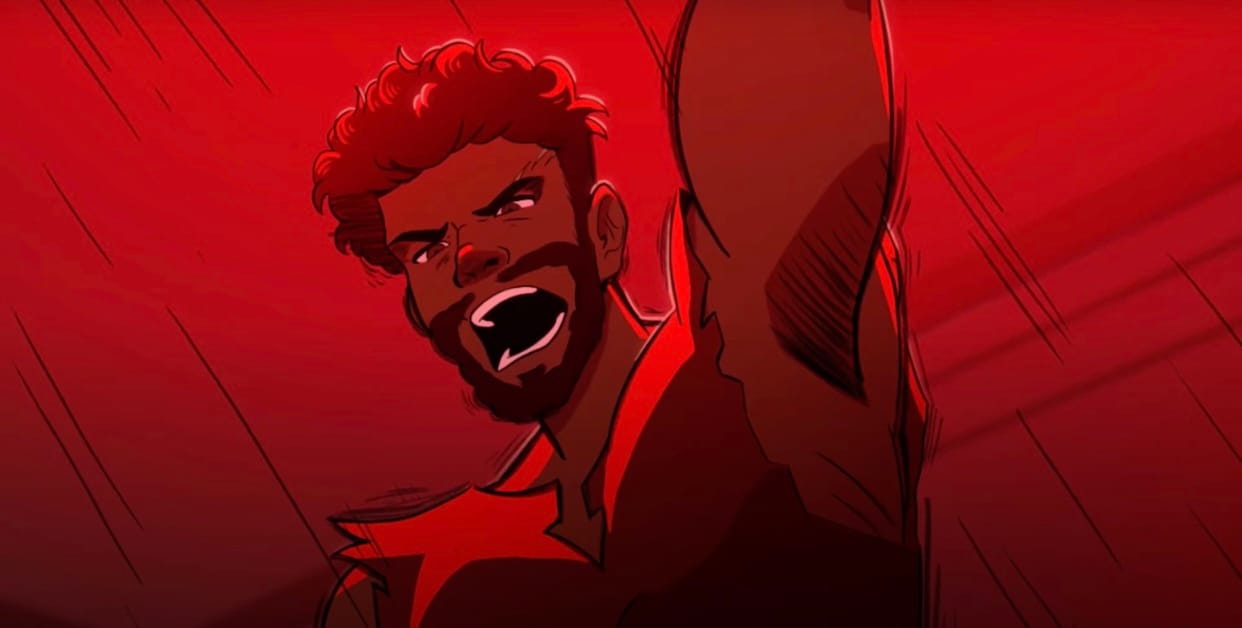
It’s no surprise that EPIC has a wide range of villains, antagonists, and monsters. But among them all, the group perhaps most hated by the fanbase is that of the sinister suitors. And rightfully so. Led by the cruel, twisted Antinous, the suitors are portrayed as self-serving, entitled men of Ithaca who are fed up with Penelope’s relentless loyalty to Odysseus, even attempting to kill Telemachus and storm the palace to enact their desires. Their hit villain song Hold Them Down paints a clear, disturbing image of the lengths they’ll go to satisfy themselves. (Warning: Hold Them Down contains mature themes including violence and harassment. Listen at your own discretion.)
Dark as it may be, their unjustifiable behavior does give us a shadowy glimpse into a life with no moral compass. The suitors’ every action is fueled by a sense of greed, arrogance, and self-indulgence. They act purely out of instinct and will, without any second thought at the consequences or feelings of those affected by their deeds. They stand upon the viewpoint directly opposite the likes of Penelope, Telemachus, or Odysseus. Because of this, their beliefs are splattered for all to see: when you take what you want, ignoring loyalty, justice, or goodness, you pay the price more than anyone else.

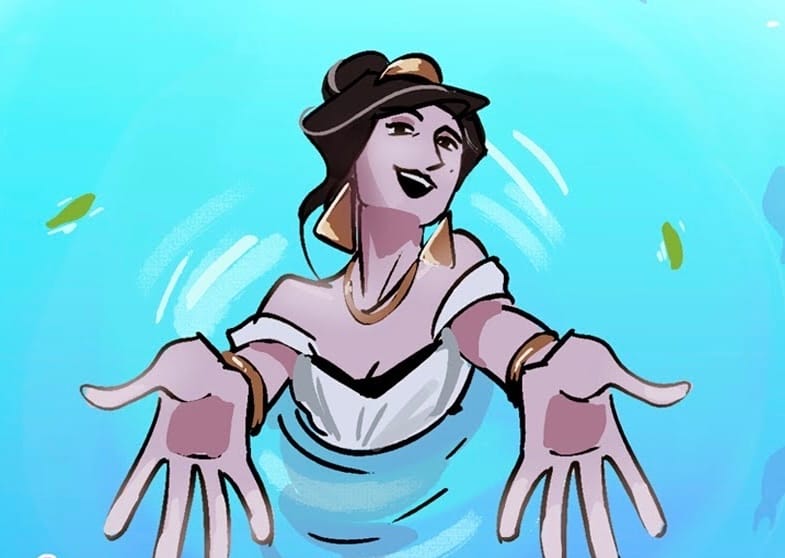


Poseidon (Illustration by WolfyTheWitch); Polyphemus (Illustration by Ximena Natzel); the Sirens (Illustration by gigi); Scylla (Illustration by gigi); Odysseus (Illustration by gigi)
RUTHLESSNESS AND SURVIVAL ABOVE ALL ELSE
POSEIDON
Perhaps the first thing that would have come to any EPIC fan’s mind upon reading the title of this post is the iconic line, “Ruthlessness is mercy upon ourselves”. From the song of the same name, this line is uttered by the god Poseidon as he unleashes his wrath upon Odysseus and his men as punishment for sparing his son, Polyphemus.
(Side note: Poseidon’s aforementioned reason for killing the majority of Odysseus’ crew just goes to show the lengths he would be willing to go if in Odysseus’ shoes. Rather than simply leaving the problem alone, seeing as how Polyphemus is still alive, Poseidon is intentionally trying to teach Odysseus that, in order to make it back to Ithaca and Penelope alive, he’ll have to be ready to do anything to ensure his survival.)
But back to the point: Poseidon’s philosophical worldview is, of course, the most explicitly laid out, with his thesis.. But what does this exactly mean? And why does it matter for us to understand this concept? Poseidon is clearly a man willing to do whatever he wants to whoever he wants. (I mean, why else would he continue to torment Odysseus’, both physically and mentally, for years and years?) But, beneath that, we see another common term that aligns with his famous line: “Survival of the fittest”.
Now, while could technically be considered different concepts at a glance, when taking the entirety of EPIC into perspective, one begins to see the alignment. Based on Poseidon’s main thesis, we know that he believes that refusing to kill when necessary or simply do whatever the moment requires will lead to later consequence, thus being ruthless and merciless is the only sure way to solidify your personal survival. This matches with the idea of “survival of the fittest”. In fact, another of the most common synonyms of this phrase is, “eat or be eaten”, a belief clearly shown in both Poseidon and his son’s behavior. In short, Poseidon lives by the principle of doing whatever the instance requires to ensure your own personal safety later on.
POLYPHEMUS
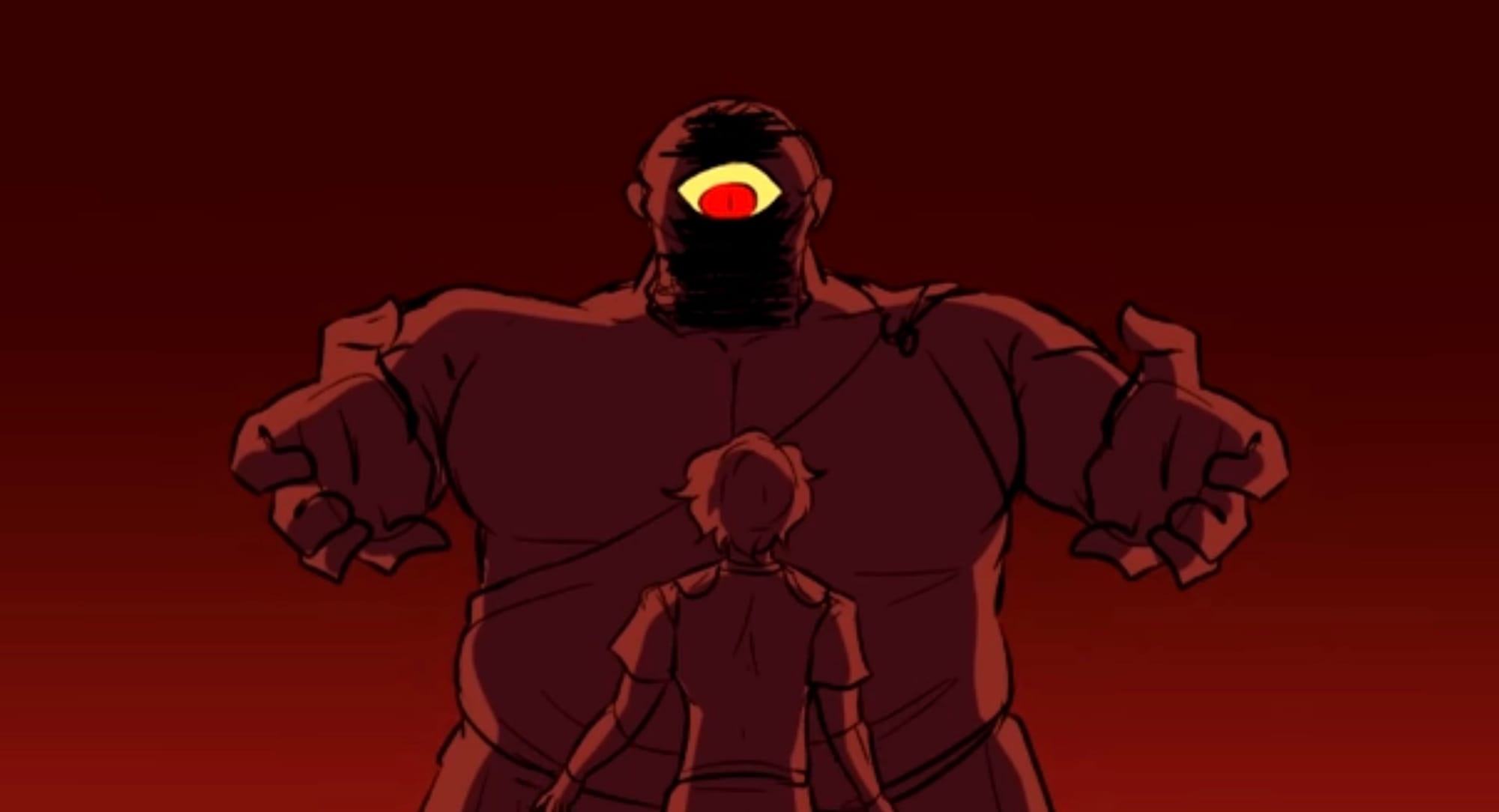
Now, on to his son, Polyphemus. When he is introduced in the song of the same name, Polyphemus, he is instantly framed as a physical obstacle between Odysseus’ current objective (feeding his men, via Polyphemus’ sheep). But it goes much deeper than that. Of course, this conflict between the two opposing forces leads to a gory encounter that goes on to haunt Odysseus throughout the rest of his journey, through the deaths of some of his men (Polites in particular), the attack of Poseidon later on, and the immediate fallout of him and Athena after he failed to follow her instruction and kill Polyphemus while he was vulnerable.
Compared to his father, Polyphemus shares a very similar ideology, apparent right from his introduction: “Take from you like you took from me”. (Or, to paraphrase it even simpler, “You take from me, I take from you.”) What’s so interesting this is how it seems to be going deeper into a specific aspect of Poseidon’s own thesis, by showing another face of exiling one’s own self and retaliating only upon opposition. Defend what is yours at any cost, taking revenge on anyone and everyone who acts against you. Despite only appearing for three songs out of the musical’s bulk of forty, Polyphemus leaves a larger than life footprint.
THE SIRENS, SCYLLA & ODYSSEUS
Although they are present for less than ten minutes total (even added together), the sirens, and Scylla in particular, make an impression that lasts longer than any other monster in EPIC. Not only do they boast two of the most catchy and chilling tunes of the entire musical, but they also provide introspective messages bound to make you think.
The sirens and Scylla share the same philosophy, though Scylla articulates it the clearest: “We must do what it takes to survive”. More specifically, they both survive through doing whatever means necessary in order to feed themselves, though Scylla takes a much simpler outward approach whilst the sirens primarily deceive the minds of the sailors near their isles. Despite their tactics, their goals are one and the same: survive, through any means possible. Theirs is a more literal example of “survival of the fittest”.
But there’s another who fits into this same category of survival over mercy, the protagonist himself: the infamous Odysseus of Ithaca. Think about it. True, his goals are a little different directly next to those of the sirens and Scylla, but they are fundamentally identical nevertheless. Odysseus seeks one thing above all else: reunion with Penelope and Telemachus. While this is his main objective right from his first introduction, the means by which he pursues the fulfillment of his mission progressively flips throughout the first half of the musical, with his big turning point in the act one closing number, Monster. Though, this mindset was always lingering in his conscience, even from one of the very first songs of the musical: Just a Man.
In this emotionally poignant ballad, Odysseus is torn between fulfilling the will of the gods and killing the infant son of Troy’s king or sparing his life at the expense of never returning to his wife and son. Despite his best wishes, Odysseus ultimately goes through with the deed, an act that torments his wellbeing for the rest of the musical. While this is perhaps not Odysseus’ absolute lowest moment, this serves as a tragic catalyst by which a spiral of emotional disaster is unleashed upon Odysseus’ mind. This is his inciting event. This is the foundation of his decision to accept his monstrous side.
Because of this, Odysseus is just like the bloodthirsty sirens and treacherous Scylla. They all share the same ideals: Survive, by whatever means necessary. Whatever it takes, whatever hideous sin it might take, they will and must do what it takes to survive. Odysseus has to get home. But one must ask: At what cost?
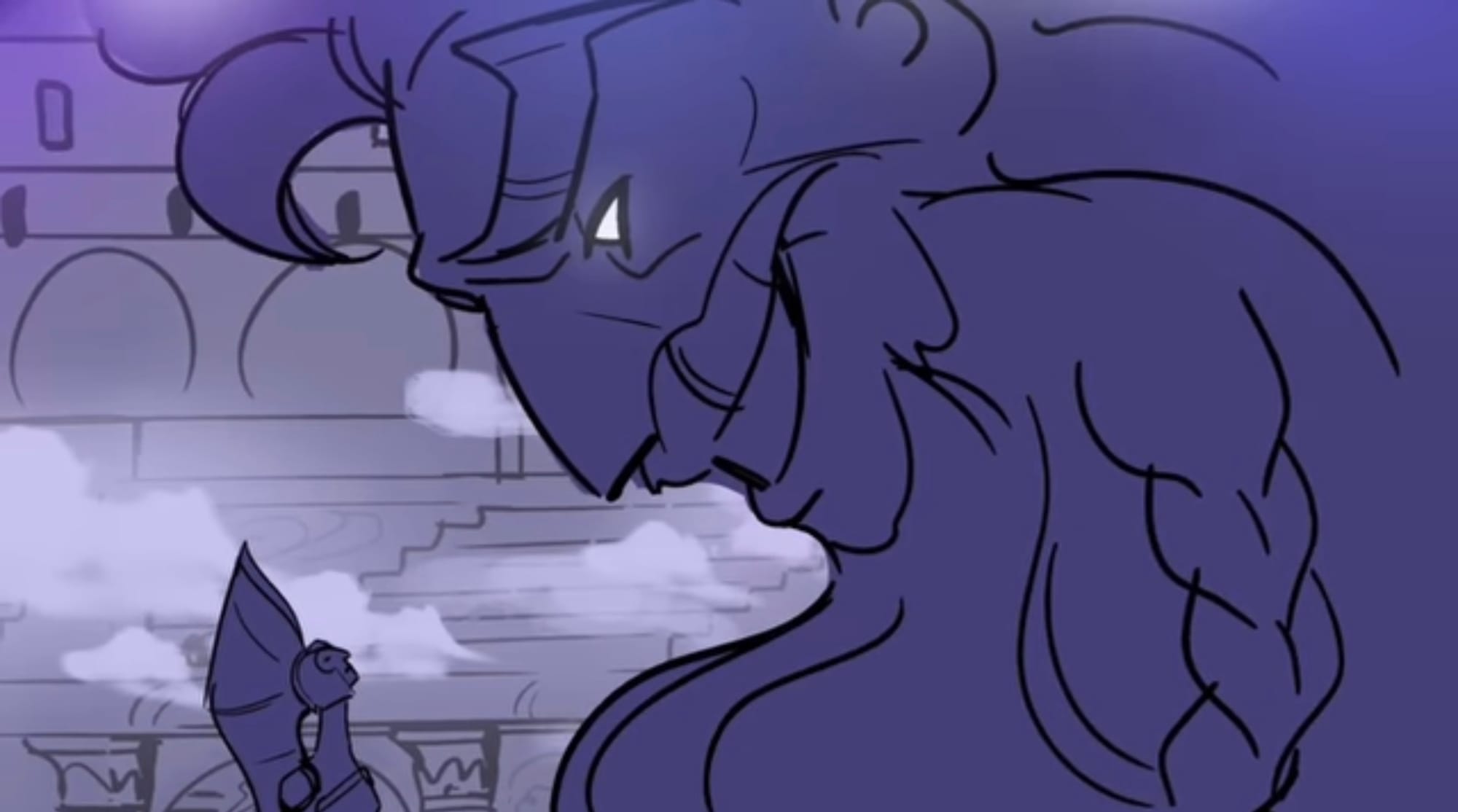
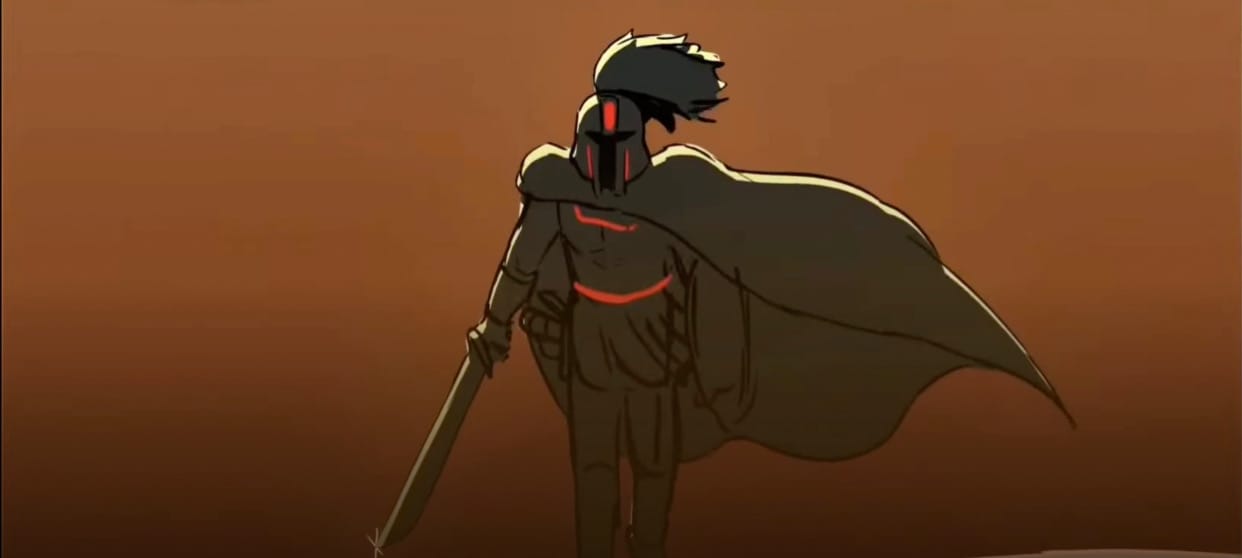
Zeus (Illustration by gigi); Ares (Illustration by Uitzil)
HONOR THROUGH DOMINANCE
ARES
In God Games, we follow Athena as she bargains with Odysseus’ freedom from Calypso’s island; jumping with her as she makes various attempts at persuading the likes of the Olympians such Aphrodite, Apollo, and Hephaestus . One of the most turbulent of these trials is convincing her half-brother, Ares. In one hand, you have Athena, goddess of Wisdom, a master of strategy and guile. And in the other, you have Ares, god of War, who utilizes hardened strength and skill as a means of receiving respect.
Despite only sharing a small amount of lines, Ares cleaves a mark in Athena’s arguments with his swift, brash words, calling out Odysseus’ unorthodox and ‘dishonorable’ battle tactics in the face of the Trojans and Scylla. Ares directly addresses Odysseus’ usage of the Trojan horse to trick their enemies and get the advantage over them, making his disapproval clear. He also attacks Odysseus’ cold betrayal of his men in the face (or faces) of Scylla, as he traded their lives when he could have, instead, confronted her directly.
This paints a clear image of what Ares seeks above all: strength and honor, and, moreover, how these are obtained by facing conflict openly, opposed to fleeing opposition. It is apparent his opinion on abandoning a fight, being nothing more than a faulty, shameful way to push away one’s struggles. With all of this, we learn what Ares values most: respect and strength, earned through confrontation and victory.
ZEUS
Ah, Zeus. The arrogant, prideful head of the Olympians. Yet another of the dozens of proverbial thorns torturing Odysseus’ journey home. He first appears in The Horse and the Infant, where he prompts Odysseus to end the life of the king of Troy’s son. He then returns in Thunder Bringer, making yet another impossible bargain with Odysseus; one that ends the lives of the little number of men remaining in his crew.
But perhaps the song that most clearly shows us what a man of such pomp and grandeur as Zeus values most is God Games, where, yet again, he makes Athena play another on his ‘games’, yet again bargaining with Odysseus’ life. (Indirectly, this time, as Odysseus isn’t directly participating in his schemes, but he is the center of the conflict nonetheless.) But aside from Zeus’ obsession with bargains and games, there seems to be a common thread woven through all of his devices in these three songs, one that ultimately reveals the truth of Zeus’ true nature.
Throughout all of The Horse and the Infant, Thunder Bringer, and God Games, Zeus is making a demand upon either Odysseus or Athena: go through with this, and I’ll make sure you get what you seek. Even though the exact circumstances change as the story progresses, Zeus’ mindset in all of his bargains is the same, one of pride, authority, and a sense of power. He knows full well how much influence he has over those around him, and, because of that, he is shown to abuse that power just to ensure the security of his position.
Or, in other words, he believes that authority brings power. Without influence, you are weak. ‘Mercy’ is nothing more than a luxury; a mere trinket in the hands of a god. When one finds himself in a place of power, order must be enforced through fear to keep that power in one’s control.
For lack of a better explanation, Zeus establishes his dominance over the gods and mortals around him by means of terror and discipline, enacting whatever measures he deems necessary to keep those under him in check. This is fitting for the self-proclaimed “king of the gods”.

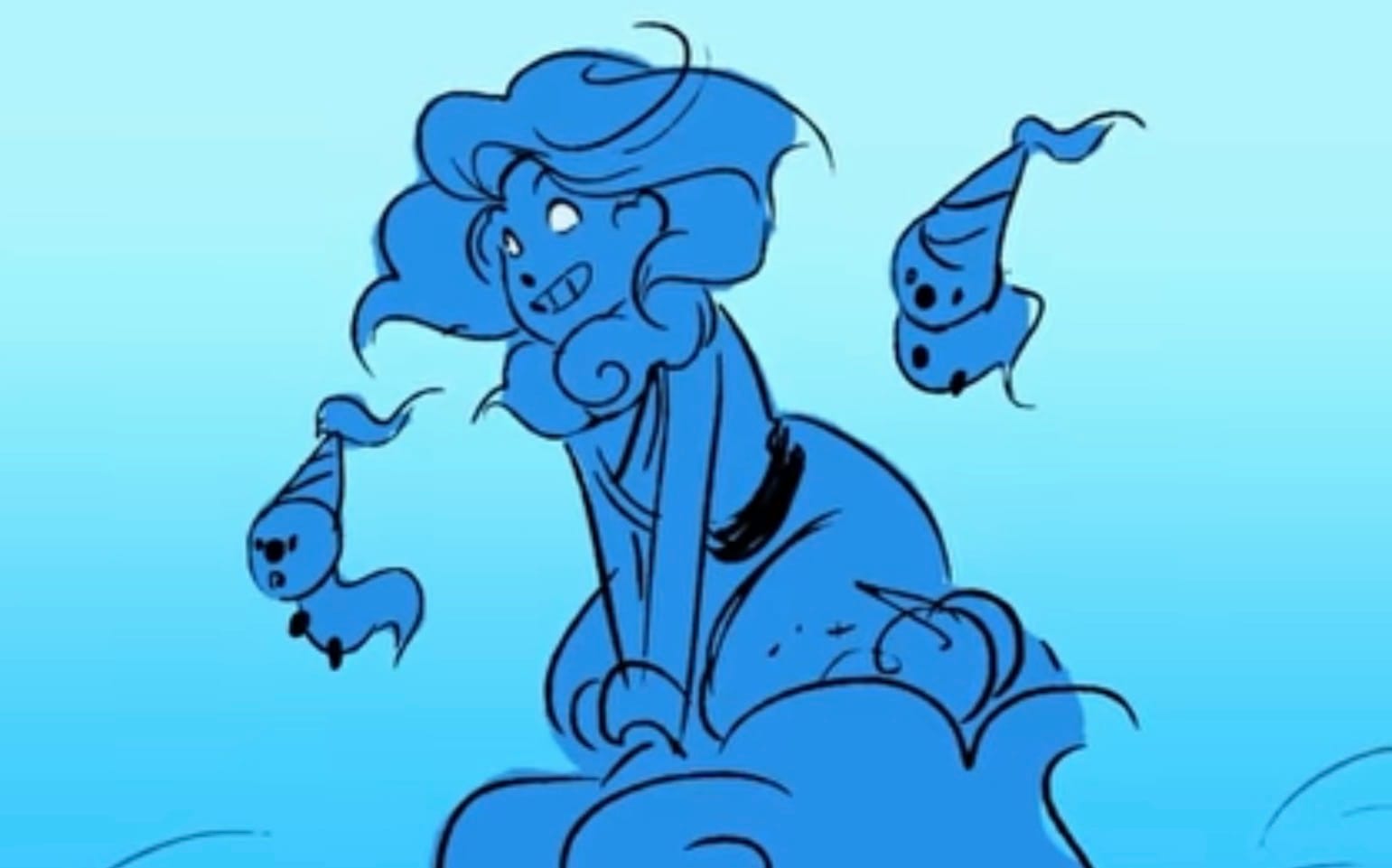
Eurylochus (Illustration by Sirell); Aeolus (Illustration by gigi); Tiresias (Illustration by Ximena Netzel); Athena (Illustration by Space Bar)
STRATEGY & DETACHMENT
EURYLOCHUS
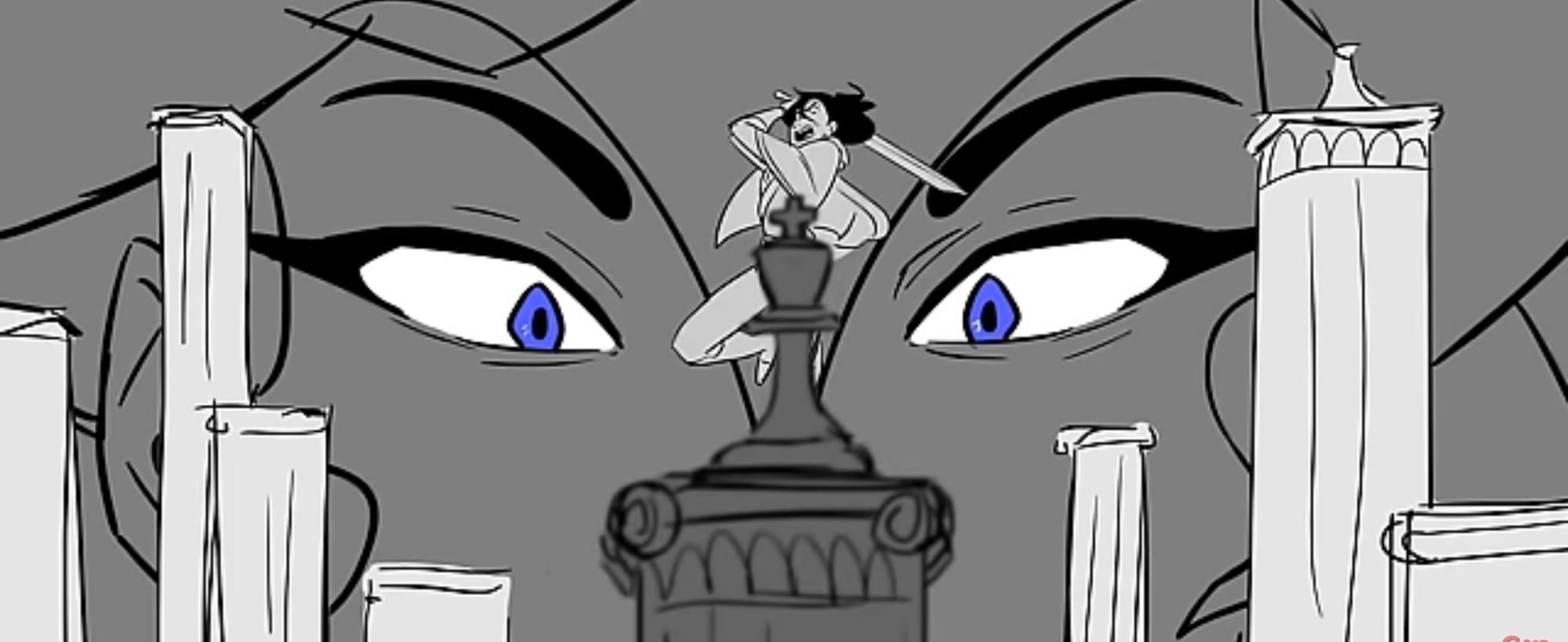
Just as much as ruthlessness is one of EPIC’s key themes, strategy and detachment are two concepts equally apparent, often lingering behind the scenes. This is especially so in perhaps the single most controversial character in the entirety of EPIC: Odysseus’ second in command, Eurylochus. Because of his disobedience to his captain’s orders when he opened the wind bag, and his later decision to lead a mutiny against Odysseus, it is clear why some fans love him while others loathe him.
But the interesting thing about Eurylochus is how similar he is to Odysseus. Right from his introduction in Full Speed Ahead, he’s painted quite clearly as the “bad cop” to Odysseus and Polites’ “good cop”. He’ll do whatever needs to be done for the safety of the crew, similar to the darker side of Odysseus would. However, as Odysseus’ crueler, more gritty face shows, the more we see the clear distinction between the two men: Yes, they both value survival above all else, but, unlike Odysseus, there are lines Eurylochus won’t risk crossing.
Were Eurylochus put in Odysseus’ shoes in the instances with the Infant, Circe, or Scylla, we know that Eurylochus would never risk sacrificing a single man in order to get out alive. He prioritizes the lives all the men under him and Odysseus’ command. This establishes the necessary conflict when Odysseus starts taking more risks and gambling the lives of his crew. The two begin butting heads, with Mutiny serving as the final straw.
Eurylochus’ ideals can be rationalized like this: survival first, mercy second. Kindness and open arms are acceptable, but only so long as safety and control is secured. This explains his actions in songs like Luck Runs Out, Mutiny, and, especially, Puppeteer.
When Odysseus is about to try to free his men (now turned into pigs) from Circe, Eurylochus tells him to “look at all we’ve lost and all we’ve learned, every cost is so much more than what we’ve earned” Eurylochus is ready to abandon the rest of their crew, though it might not be as simple as it seems. We know for a fact that Eurylochus values his friends more than anything else. (Just look at the song, Remember Them) But here, he’s begging Odysseus for them to give up. Why?
Because safety is not secured. Going into Circe’s palace is an endeavor few emerge from unscathed. Eurylochus values his men, but he has no sense of control over this situation, and thus feels the need to prioritize his own safety above all. This all goes to show just how similar Odysseus and Eurylochus are, and also the fine lines that distinct them from one another.
AEOLUS
The great wind god Aeolus; living embodiment of the air itself, creator of the infamous wind bag, indirect source of so many of Odysseus’ struggles. When Odysseus visits her floating island, she grants him a bag containing the east, north, and south winds, with only the east remaining as a surefire way to get him home. If only Eurylochus hadn’t opened the wind bag; they would’ve spared a whole decade of voyaging.
Aeolus is characterized as zany and energetic, with Keep Your Friends Closeserving as her only appearance. Yet, despite its catchy tune, this song carries with it the truth about the wind god’s own personal theology, presented straight to us in the song’s title: “Keep your friends close and your enemies closer”.
A common enough phrase, this presents a similar theme as Eurylochus and Odysseus’ beliefs. It presents a mindset of doing whatever is necessary to ensure your own personal goals, pushing out anyone and everyone to succeed. Another similar phrase sums up her ideals even clearly: “the end always justifies the means”. It doesn’t matter what terrible things you have to do meet your goals, so long as you meet them.
Interesting enough, Aeolus’ influence on Odysseus and personal development over the story is rarely discussed. Shocking, considering how she is arguably just as influential to his monstrous evolution as the likes of Poseidon, Circe, Polyphemus, or anyone else. Specifically her aforementioned line, “the end always justifies the means”, and how Odysseus implicitly adopts that philosophy in the later half of his journey. Odysseus carries with him Poseidon’s thesis of ruthlessness, of course, his encounters with Aeolus’ plant seeds of new beliefs with him - ones soon to grow and change him forever.
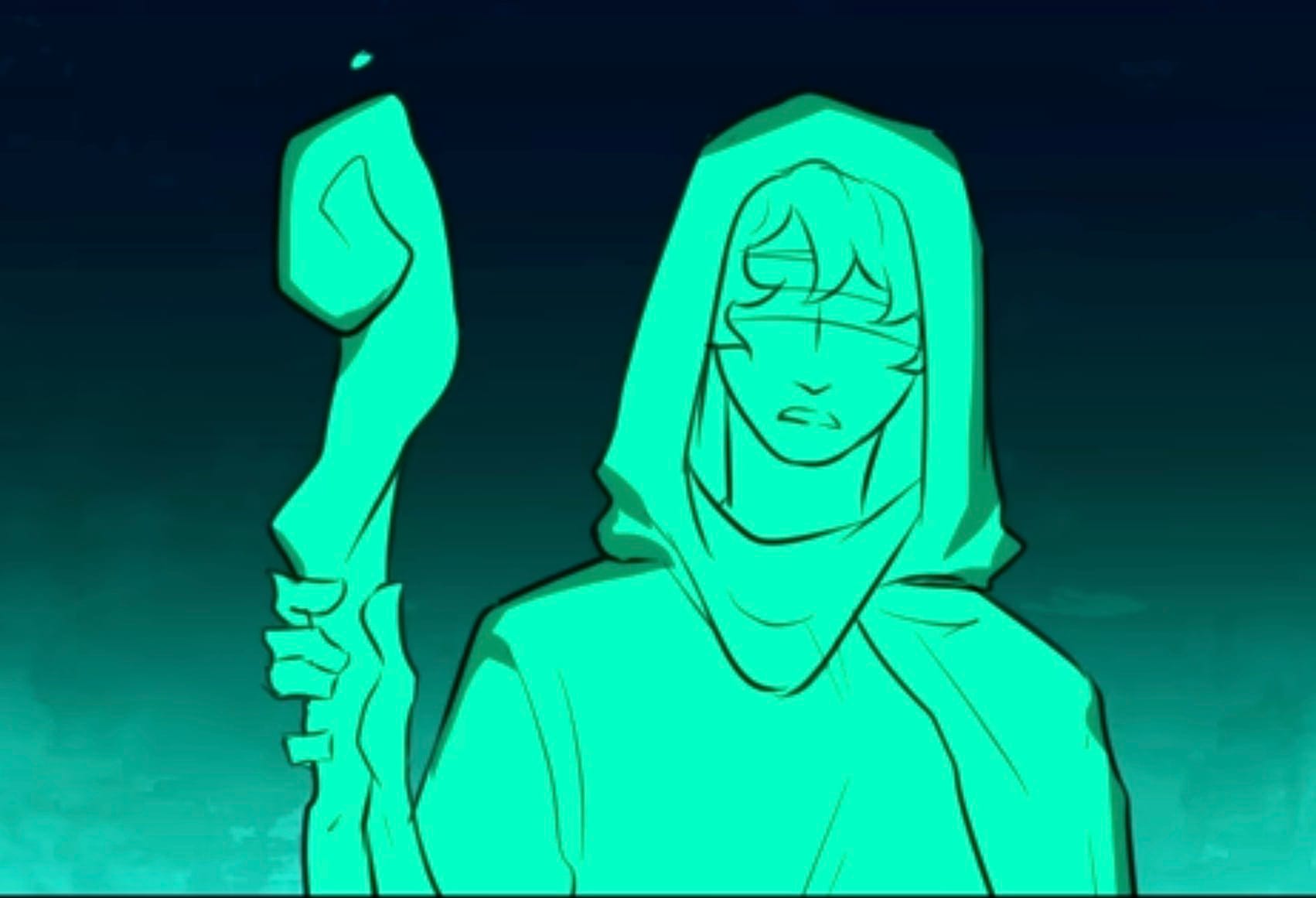
TIRESIAS
The blind, dead prophet of the Underworld, Tiresias, is in only one scene, only one song, yet leaves a mark on Odysseus unlike anyone he has crossed before. Initially advised to seek his visions from Circe, Odysseus ventures through the treacherous Underworld until he finally find Tiresias, and, hopefully, knowledge on how to get home. But the results aren’t exactly what Odysseus was picturing.
Tiresias hauntingly meaningful hit, No Longer You, foreshadows the personal trials and tribulations Odysseus will soon face, including the siren’s song, Scylla’s lair, the crew’s mutiny, and the suitors’ slaughter. But, more importantly, he predicts Odysseus’ transformation from man to monster. Despite his limited appearance, however, Tiresias’ beliefs are there, hidden beneath the lyrics.
Tiresias is, of course, deceased, but nevertheless acts as a force of guidance to those he bestows his visions upon. Yet, he does not directly intervene. This gives us a sense of what he believes: Foresight guides, but does not act; knowledge warns, without stepping in. He gives insight without helping Odysseus upfront. This goes to show how he believes his gift of knowledge and foresight guide others, without the need to jump into it himself.
ATHENA
And now, to the goddess of wisdom and strategy herself: Athena, queen of the arena and the best strategies. In EPIC, she assumes the role of the mentor of our lead character, trying to teach him her ways, to become a “warrior of the mind”. But what exactly does this mean?
Actually, this term seems to change meaning from its introduction in the Troy Saga to its lingering presence in the Wisdom Saga. Specifically pertaining to the songs Warrior of the Mind, Remember Them, and Little Wolf. When it is first mentioned in Athena’s introduction, she uses it as she expresses her dream of influencing a new kind of warrior, a new generation tailored after her likeness and strategy. One that will do whatever it takes to defend one’s own self and mission, not letting passion or feeling sway you into making a fatal mistake. In short: Turning off your heart to ensure success.
This is Athena’s vision of true virtue; never compensating trivial details at the cost of the big picture. This is what provokes her command for Odysseus to kill Polyphemus after his crew blinds him, so that they’ll never have to worry about the threat of his presence in the future. But, because of Odysseus’ more merciful nature at this point in his progression, he goes against Athena’s orders, sparing the cyclops, which leads to the fallout of him and Athena’s relationship.
Despite her initial beliefs, Athena is no one-and-done character. In fact, her journey throughout EPIC is almost opposite of Odysseus’; shifting from survival first to empathy as the priority, creating a beautiful contrast of ideals that shows the best of what this musical tackles throughout its plot.

GUIDANCE AND CONNECTION
Across EPIC, Odysseus comes face to face with plenty of gods and goddess: Athena, Zeus, Circe, Calyspo, and more. Out of all of these, most only seek to directly or indirectly hinder his journey home in one form or another. While not all of them share the same ill intent toward Odysseus, most taint his progress more than they help it. Yet, there’s one god in particular who is known to consistently aid Odysseus on his journey home: Hermes, god of thieves, travelers, and messages.
First appearing on Circe’s island, Hermes is a constant ally to Odysseus, giving him the moly needed to resist Circe’s spells and even later telling him how to get home to Ithaca. Every time he shows up, he’s there to help Odysseus push through, rather than encouraging him to abandon his goals. For this, he’s unlike the gods, monsters, and mortals discussed previously, because he’s directly supporting in Odysseus‘ journey.
Hermes’ actions represent guidance, like Tiresias gave, yet Hermes’ kind of assistance of a different nature than his. Hermes assistance is directly helping Odysseus in finally returning home. He is directly investing in the end of his voyage, pitching in and providing support whenever he can. He’s not like the other gods; his status isn’t neutral or antagonistic towards Odysseus‘ mission. He’s willing to help him get home however he can, giving him the extra boost needed to keep working towards his success. Though his time in the musical is quite shorter than most, his impact goes a long way in proving the worth and benefit that comes from investing in connection.
PASSION WITHOUT BALANCE
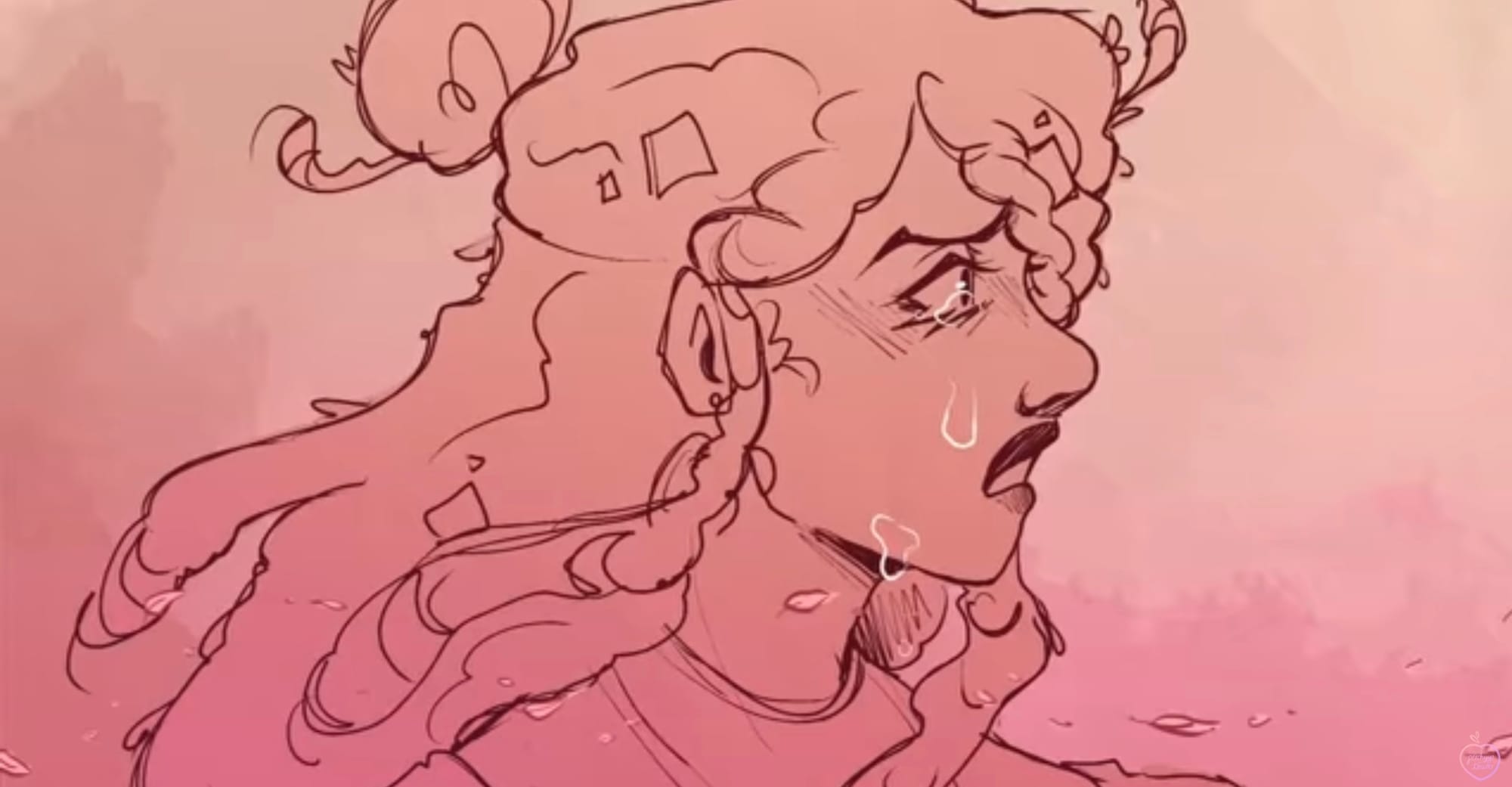
While it is true that investment into others is well worth its while, there are instances of unhealthy connection, such as in the example of the immortal Calypso. When Odysseus’ is shipwrecked after Zeus slaughters the remains forty-three left under his command, he finds himself trapped on the hidden island of Calypso, cursed to remain there for eternity with her.
Calypso is another of EPIC’s more controversial characters, due to her unjustifiable act of holding Odysseus on her island against his will. (Though it is worth mentioning that, even if she did decide to let him leave, the curse would keep them both stranded either way. In this sense, the solution isn’t that simple.) Some fans despise her for her twisted desires she tried to enact upon Odysseus when he was imprisoned there, while others defend her because of her isolation and presumed mental trauma, an implicit outcome from the century spent alone on the island.
Wherever you stand, her inclusion symbolizes an imperfect balance of connection. In particular, her heartbreaking song, I’m Not Sorry For Loving You, shows just how out of check her feelings towards Odysseus have gotten, to the point of blinding her to the harsh reality of her selfish ambitions and desires. While the worth of love and affection are incomparable, Calypso shows us how there is a point of going too far; how, when your feelings are influenced by your personal intentions, they can end up harming those you care about, opposed to bringing you together.


Aphrodite (Illustration by gigi); Hera (Illustration by gigi); Penelope (Illustration by Gwendy)
FIDELITY & MORAL ENDURANCE
APHRODITE
Despite Calypso’s warning of what unbalanced connection can result in, it is worth saying that healthy connection is something beautiful and ornate in itself. After all, EPIC’s entire plot hinges upon Odysseus’ connection to his wife, son, and kingdom. Without it, there would be no EPIC.
True narrative conflict is best served when it ties into the emotional setup and circumstance established earlier on, which is what makes certain parts of songs like God Games so rich in emotional tension. As Athena is visiting each of the Olympians, trying to convince each of them to release Odysseus, she is forced to find justification for his questionable deeds since leaving Troy. One of the most difficult of these is Aphrodite, who is torn that Odysseus would not only abandon his wife and son, but also his aging mother, emotionally betraying them all.
While Athena does end up swaying Aphrodite in her favor, Aphrodite’s reasoning for letting Odysseus rot on Calypso’s island is quite revealing of what she values: Loyalty towards relationship. Aphrodite remarks how Odysseus was so caught up fighting and spiting that he deserted his connections to those he loves most, showing her belief of love and loyalty reigning supreme. Cruelty is horrid, but emotional abuse is simply unforgivable.
And, really, there is truth to that. Of course there is beauty in connection, and of course you should value its worth. But, as with Calypso, there is a line where emotion can overwhelm reason, leaving you distraught over your feelings rather than refocusing on the big picture. Nevertheless, valuing your relationships with others and giving those bonds the attention they deserve is a noble deed of its own.
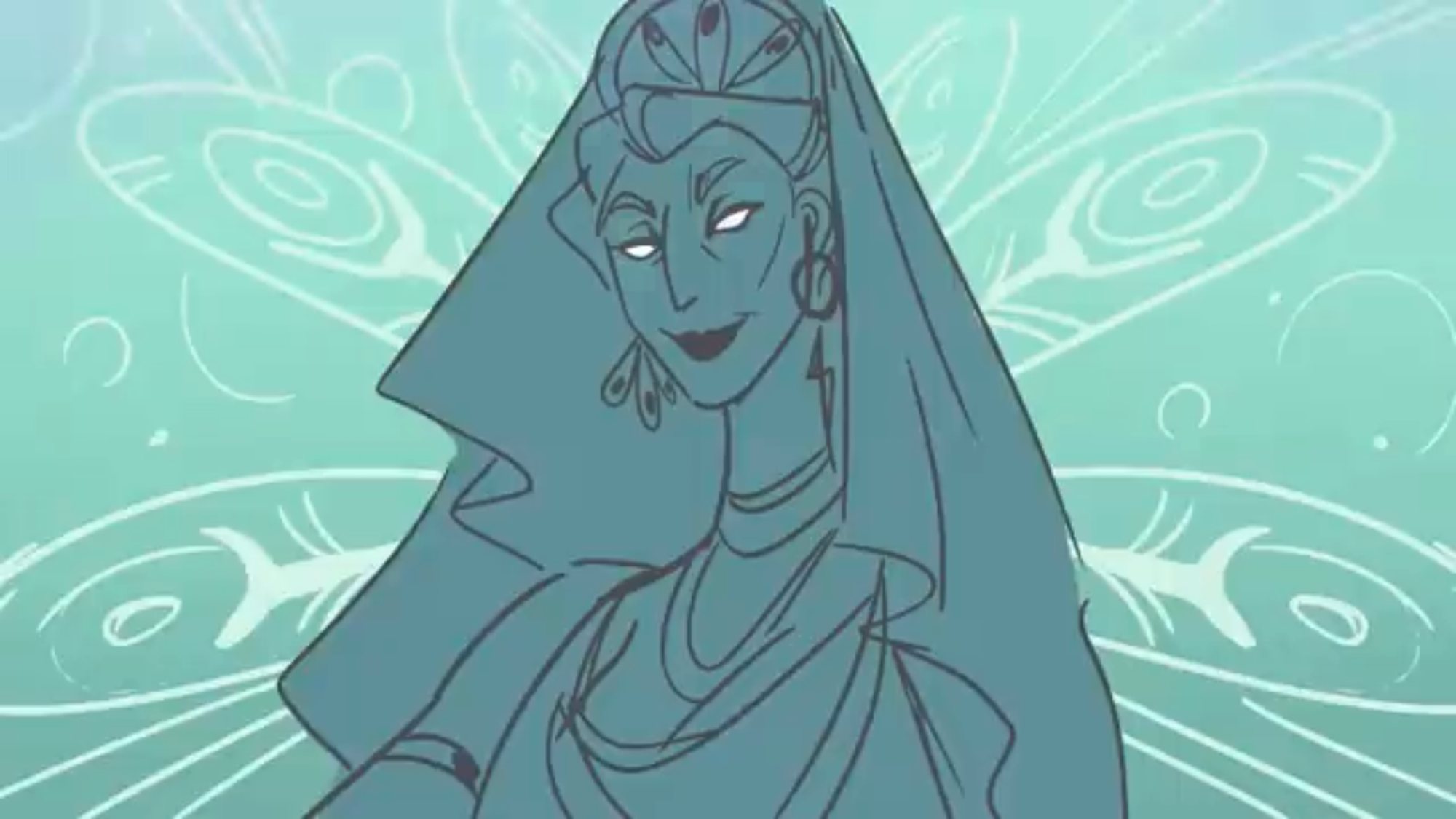
HERA
After convincing the likes of Ares and his lover, Aphrodite, Athena moves on to the Hera; goddess of marriage and family; the queen of the gods. She starts off her defense asking how Odysseus is different from any of the other so-called “heroes”, to which Athena praises his mind, wit, and charm, of which none please the likes of Hera. Finally, the argument that persuades Hera to save him is made:
“Never once has he cheated on his wife”
Given Hera’s title as the goddess of marriage, it’s clear enough why this would instantly change her first impressions of Odysseus. At the same time, it gives us a clear marker of what Hera respects most: steadfastness in marriage. Similar to Aphrodite, Hera values the power of connection, especially that of matrimonial covenant. This shows her belief that faithfulness to those you love, and, in this case, marry, is of the utmost respect and importance. It’s about how, no matter what storms and trials may come, never abandoning the ideals and relationships you have with those closest to you is of the utmost priority.
PENELOPE
And finally, the wife of Odysseus and queen of Ithaca herself, Penelope. Right from the first lines of the musical, the importance of Odysseus and Penelope’s marriage is presented as one of the fundamental pillars the entire musical is built upon. After all, Odysseus sole mission throughout the story is to return home to his wife and son. But as we spend nearly eight whole sagas following Odysseus as he becomes more and more desperate in his quest to get home, the Ithaca Saga finally shows us Penelope’s own life alone in Ithaca after Odysseus’ now twenty year absence.
You would think that by now, if you were in her shoes, you would have given up all hope of seeing Odysseus again. And yet, two decades after his departure for Troy, Penelope is still there, waiting; waiting for her husband to come home. Of all the examples listed before, Penelope is the pinnacle of emotional loyalty and fidelity, having waited faithfully for Odysseus far after the wind bag sent him and his fleet off into distant lands, presumably forever. Of course, this is inspiring by itself. But it goes even deeper.
In The Challenge, we’re thrust into the palace of Ithaca, jumping protagonists as we witness Penelope remarking over the lengths she’s gone and still will go to stay true to her husband’s safe return. And it’s the tapestry, the same threads by which she vowed the suitors to select a new mate upon its completion, that tells us all we need to know on the measures Penelope has gone for Odysseus. Each night, she unweaves the work she made on the tapestry, stalling the suitors as she awaits Odysseus’ sweet return.
These meaningful acts of steadfastness make Penelope’s ideals clear, and how greatly she values loyalty. Throughout the many years waiting Odysseus’ return, Penelope stays true to the promise they made through marriage, doing anything to remain diligent as she trusts in her husband’s promise to return to her and Telemachus. In reflection, it is those like Penelope who set the gold standard of faith and loyalty, both in relationships and morals; never compromising their values for the world.
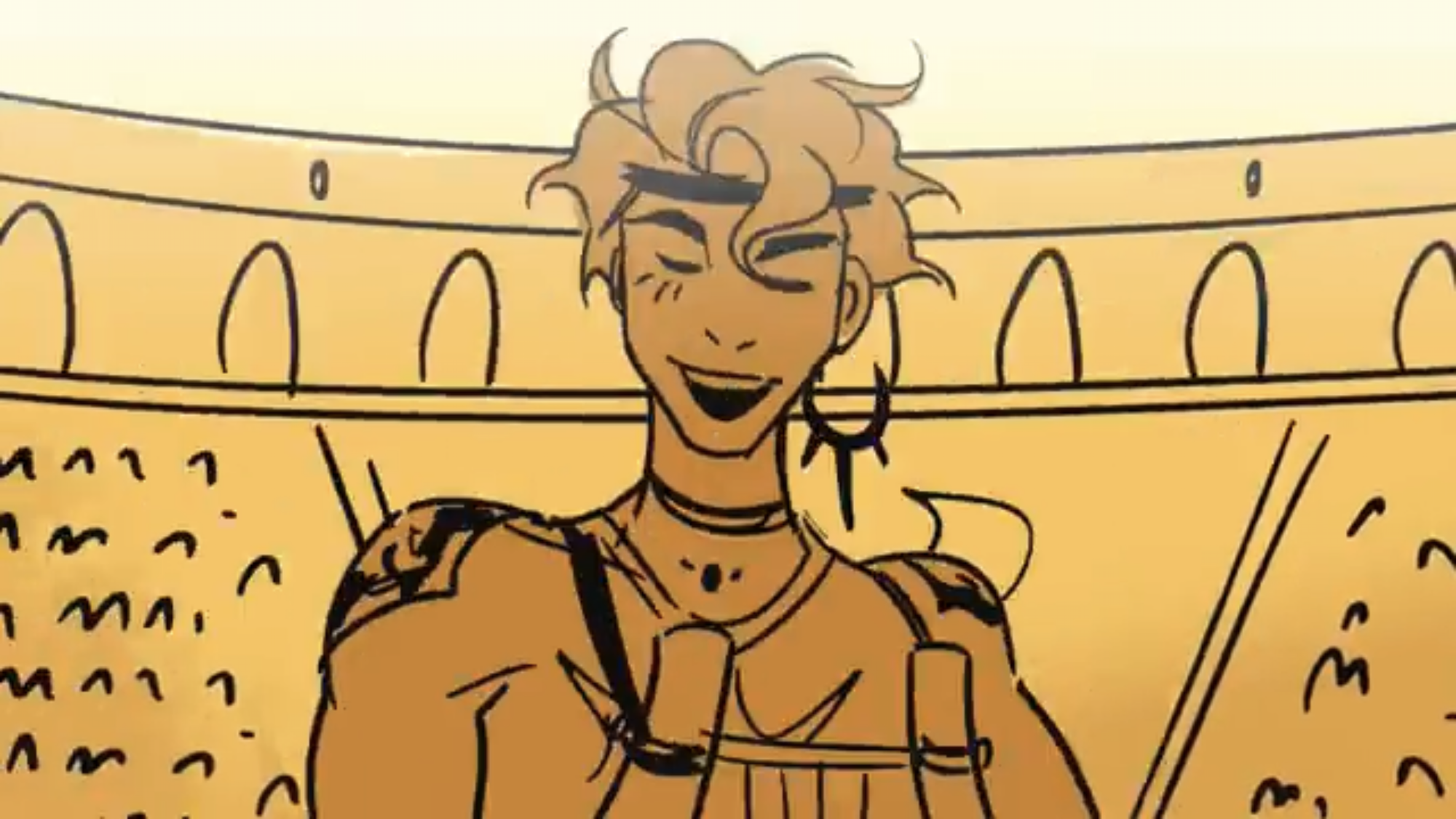


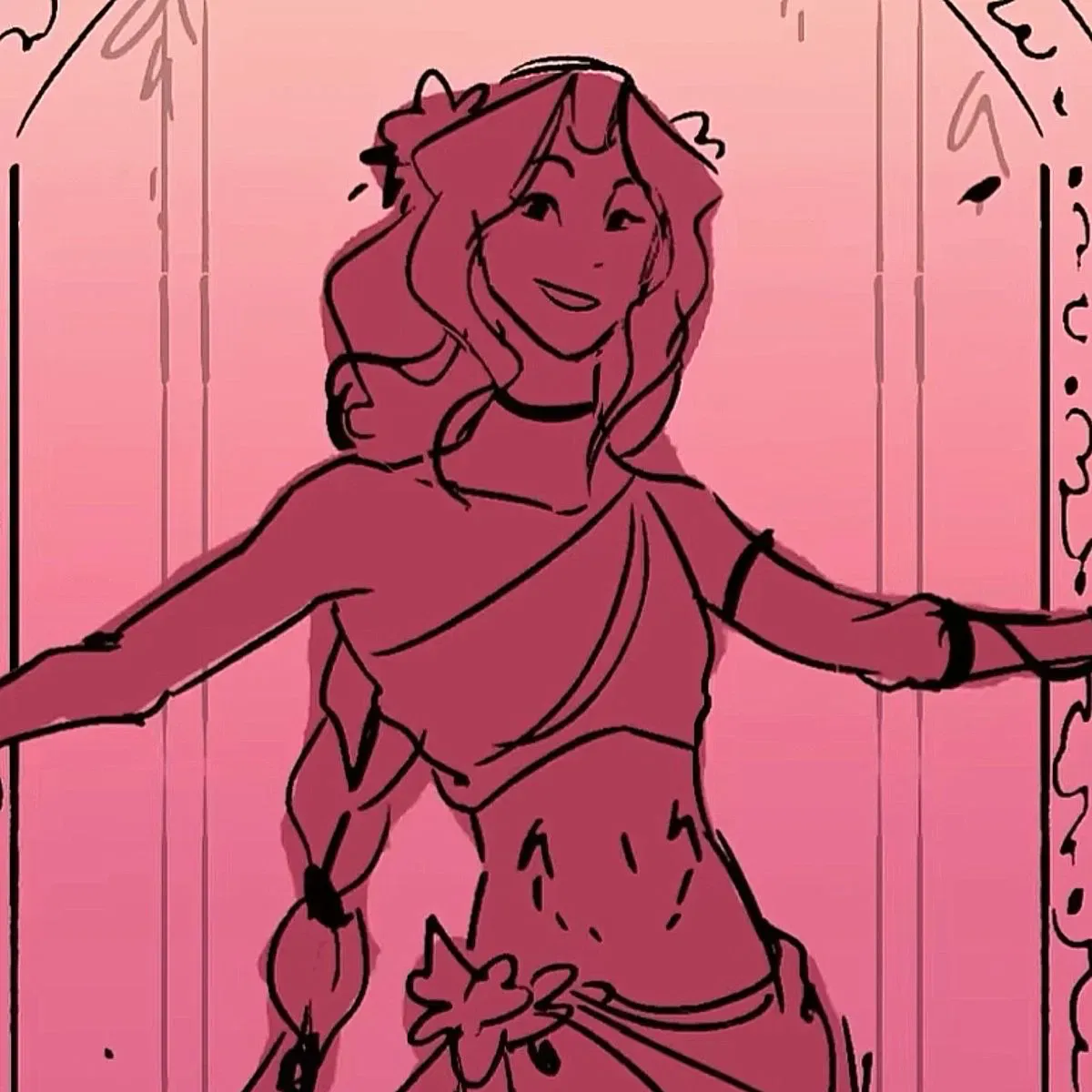
Apollo (Illustration by gigi); Hephaestus (Illustration by Smoolio); Odysseus (Illustration by BrittPowwPixel); Circe (Illustration by gigi)
MERCY WITH WISDOM
APOLLO
Perhaps the biggest conflict in EPIC, as I’ve stated before, is the constant clash of mercy versus survival. On one side of the spectrum, you have monsters like Scylla, Poseidon, and Odysseus doing anything to meet their personal needs. Then, on the other side, there’s the aspect of survival through mercy; how compassion and openness towards others breeds closeness that ensures not only physical survival, but also personal connection.
One of the biggest examples of this specific idea (physical survival through emotional attachment) is in Athena’s encounter with Apollo, god of the sun and music. Being the first Olympian Athena debates with in God Games, Apollo’s section is often overlooked due to its short manner and rather straight-forward pace, mainly because it does take much for Athena to win him over to her side. But his beliefs are still important, nonetheless.
Unlike other sections from God Games I’ve covered, Apollo’s sense of theology comes less so from what comes out of his mouth and moreover from the words of Athena. Apollo’s initial reason for not siding with Odysseus is primarily based upon his cold slaughter of the sirens in Different Beast. However, Athena makes the point that he had only done that in order to spare the lives of him, his crew, and any other sailors that might find themselves in their waters, justifying his actions by how they’ll now, “tread with caution first, to live another day and sing another verse”.
This is what changes Apollo’s mind. But why? It’s reasonable for us to deduct how he values mercy, of course, but also growth. While Odysseus’ actions were horrible, Apollo’s response does show some of his true character, and how he seeks mercy through consequence. We stumble, and we grow. Consequence should correct, not totally annihilate. While perhaps a difficult section to analyze, Apollo’s theology is right there, and it is one worth respecting.
HEPHAESTUS
Right after her time with Apollo, Athena encounters the god of the forge, Hephaestus. Unlike Apollo, Haephestus’ ideals are more clearer to pick out, given the more straightforward nature of his lines. Nevertheless, their meaning is just as valuable as any of the others. In fact, one of his lyrics in particular lays it out perfectly: “Trust is not given; it’s forged”. He then goes on to say how he traded the lives of his men, betraying their bond, and thus should not be released.
However, Athena uses Hephaestus’ own theology to persuade him; first defending how his men betrayed and overthrew him directly beforehand, and second promising how, if he were to make it home, his connection to his wife and son would be reinforced. Her words are enough to sway Hephaestus, proving his thoughts of valuing human attachment and ensuring its safety. But, more importantly, he establishes how much he believes the earning of trust and mercy, a theme reflected across various other characters in EPIC. This concept of utilizing redemption and reconciliation is a key reminder of the importance and hope apparent in intimate relationships, as well as their value.
ODYSSEUS
As I made clear throughout various sections, Odysseus‘ philosophical journey is one constantly being influenced by everyone he comes across on his ventures. The impact of beings such as Poseidon, Aeolus, Polites, Circe, and countless others are what make Odysseus’ struggle through survival at the cost of mercy so compelling. And yet, before all of that, he was a much simpler man; before the storms, heartbreak, and ruin reshaped his mind and very being.
Back before his tragic fallout in Monster, Odysseus was a much different man. in The Horse and the Infant, we see firsthand in his confrontation with Zeus just how much he detests the idea of ending an innocent life. Cut to Open Arms, we see Odysseus grappling with the guilt lingering in his soul after killing the infant prince of Troy. But, of course, Polites is able to lift his spirits, telling him to greet the world with a welcoming spirit. Although Polites soon after meets his end at Polyphemus’ club, his uplifting worldview sticks with Odysseus, carrying it with him as his adventures continue.
This younger, more spirited version of Odysseus is such a distinct contrast from his later self that it’s frankly shocking the two are the same person. Unlike older Odysseus, this version of himself is shown to search everywhere for any peaceful solution to conflict. He seeks mutual peace, not victory tainted by the loss of life. Moreover, this Odysseus believes in the value of trusting others, as well as genuine acts of compassion and kindness. And these ideals go further than simply granting peace of mind; they rub off on others, just as Polites’ did on Odysseus.
The most significant example of this is in Odysseus’ encounter with Circe. After turning his men to pigs, Odysseus leaves to save his crew, and, with the assistance of Hermes and the moly root, is able to withstand the witch’s spells and breach her palace. After an intense physical confrontation, Odysseus overwhelms Circe, only for her to switch tactics. He tempts his mind and soul as she tests his resolve, only for him to withstand and plead for her mercy. Circe, touched by Odysseus’ display of desperation, resolves to aid him in returning home. Odysseus’ loyalty to his men and refusal to resort to violence and slaughter moved Circe to kindness, showing the effect of upright moral standing.
This shows the tried and true quality of Odysseus’ morals, handed from Polites to Odysseus in honor of his fallen friend. Polites’ mindset exemplifies the results of seeking peace and avoiding bloodshed, and the benefits of genuine displays of compassion.
CIRCE
Circe is, perhaps, one of the most unexpectedly fascinating characters in the entirety of EPIC. She is initially introduced as yet another antagonist standing in the way of Odysseus and Ithaca. But within minutes, she’s given extraordinary depth and complexity, going from a mere faceless witch to a distinct image of turmoil and growth. I have to say it: She’s probably one of my top three favorite characters.
While I’ve already retold the primary events leading up to Circe’s change of heart, the meaning and value of this switch goes even deeper than that. I mentioned how she transformed Odysseus’ men into pigs, but it is essential you understand why this was done. In Done For, Circe remarks:
“Let me make this one thing clear: I’ve got people to protect; nymphs I can’t neglect, so I’m not taking chances, dear.”
She is not an inherently wicked person. Despite her best wishes, she resorts to such extreme measures of protection for the sake of those under her care, not for the thrill or joy found in harming others. Moreover, she later recalls the last time she trusted strangers she shouldn’t have, and how she can’t dare take risks like that ever again.
This does clarify the circumstance and motives surrounding Odysseus and Circe’s encounter, but, more importantly, it signifies why her change of theology is so important to both her and us as the audience. She comes from a place of sorrow, desperation, and loss, much like Odysseus does. (More specifically in the second act, but still him nevertheless.) When she hears Odysseus appeal to let him and his crew free to return home after years and years spent away for war, she is moved by his gesture so deeply she does what she refused to do: she takes a chance.
Because of her willingness to trust and help him, her mindset towards the concepts of mercy and protection are changed forever. She recovers her belief in genuineness and passion, and the hope that honesty and kindness can “lead to kinder souls down the road”; “actions of passion”, as she puts it, leads to further trust and unity later on. Because of Odysseus’ one appeal towards compassion, Circe found a new faith that the world might not need a puppeteer ever again.
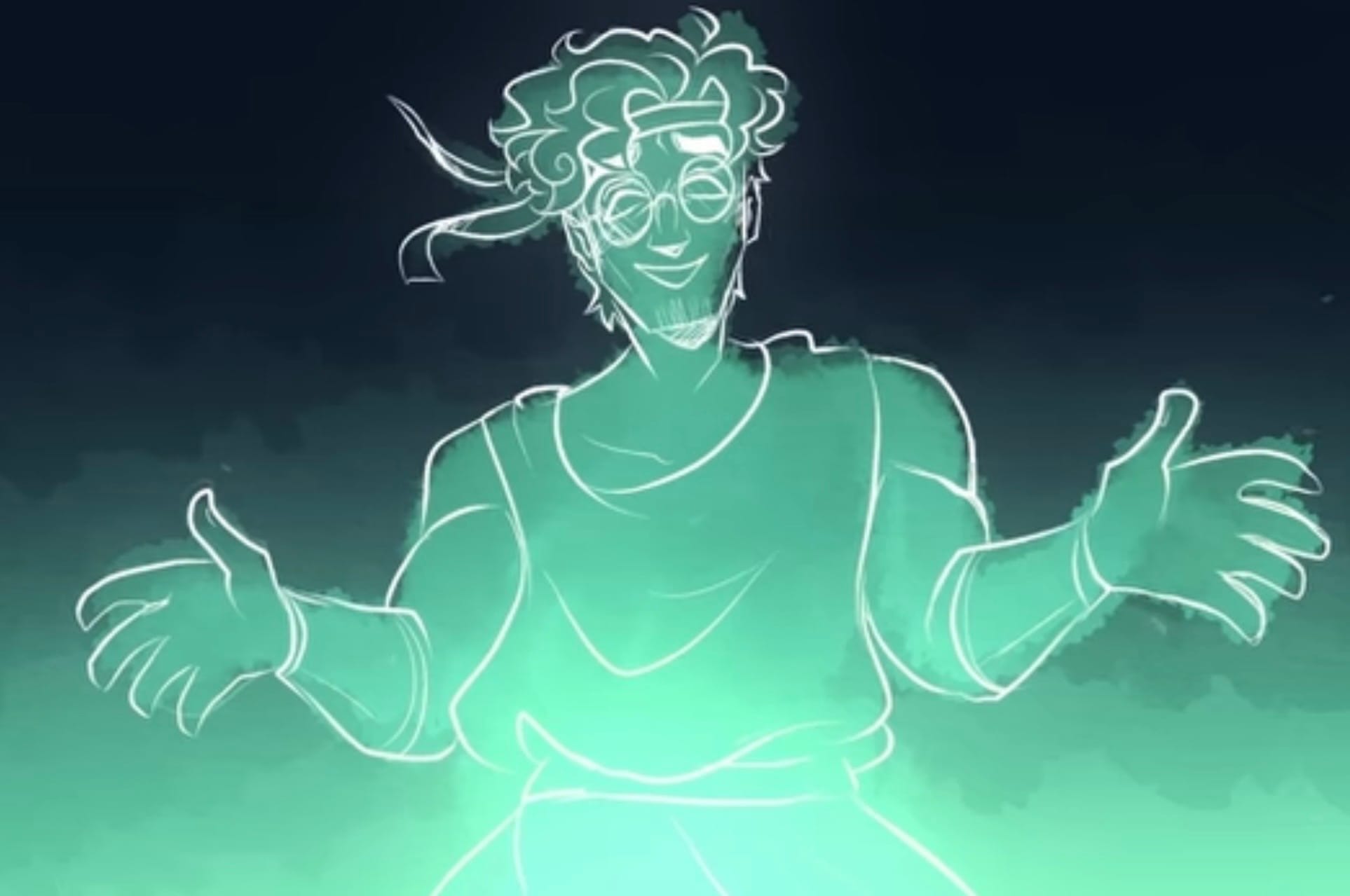
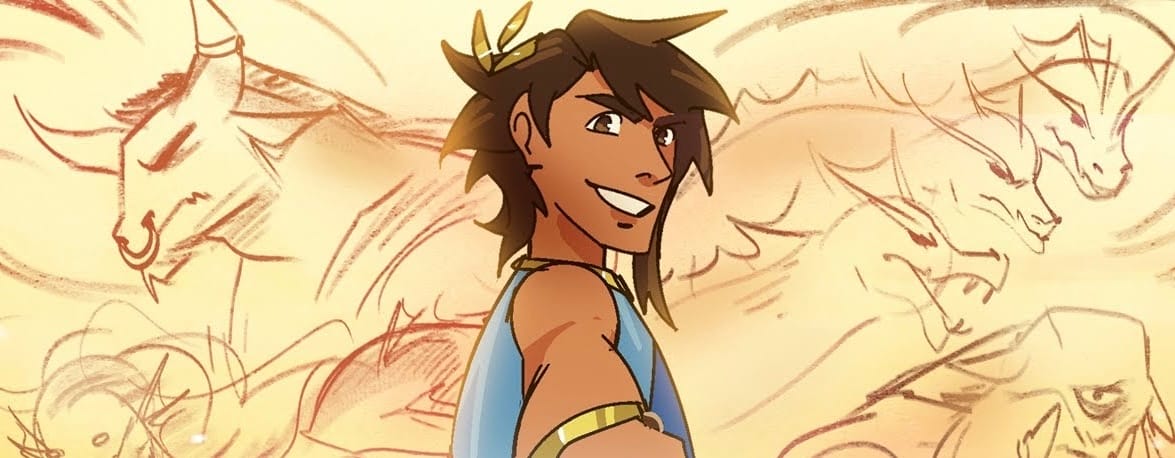
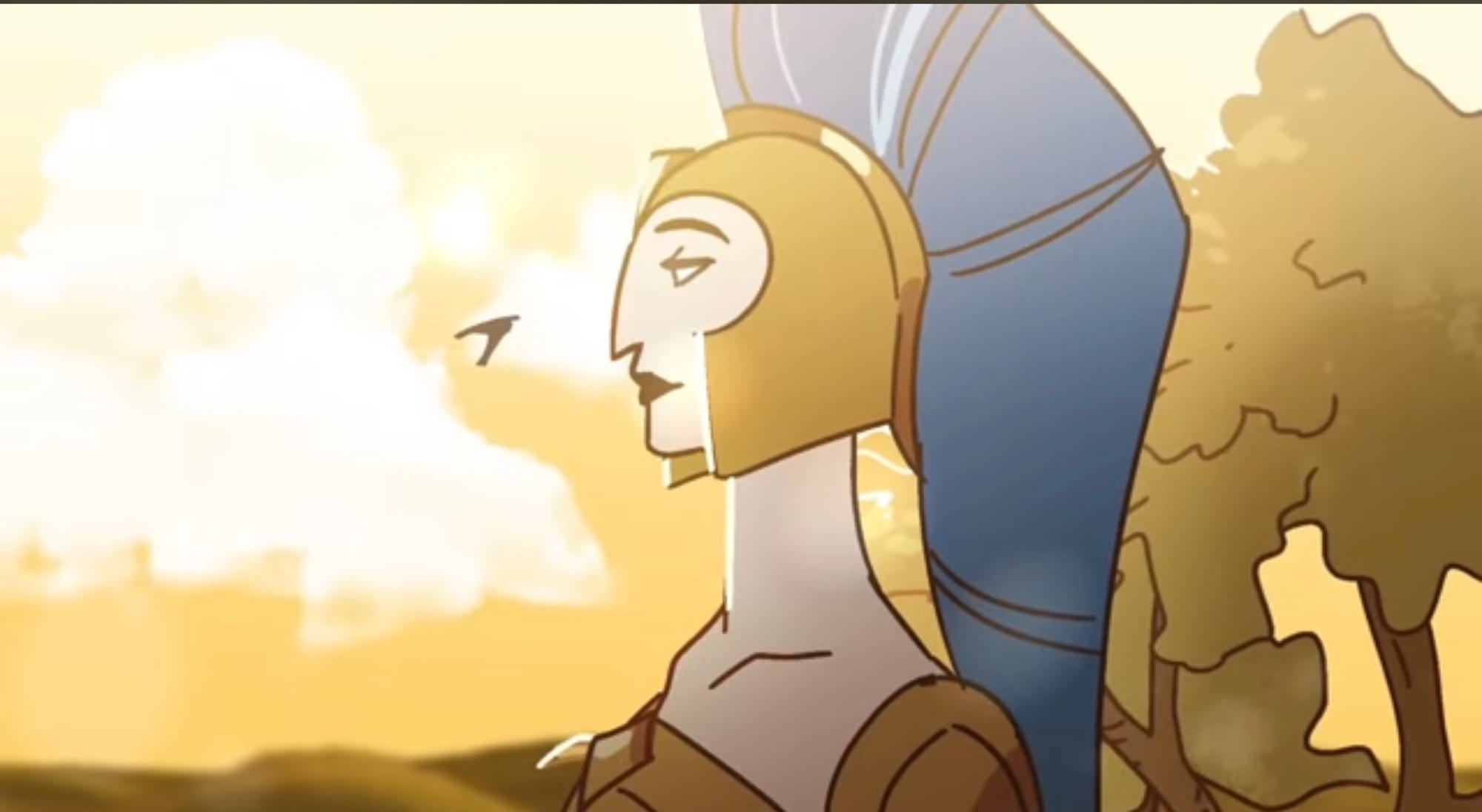
Polites (Illustration by clover); Telemachus (Illustration by gigi); Athena (Illustration by gigi)
LOVE, HOPE, & HUMAN CONNECTION
POLITES
Ever the gold standard of unity and attachment, Polites’ brief time in EPIC is, somehow, one of the most resonant of the entire musical. Despite meeting his end early on in the second saga, his spirit haunts the rest of the musical, serving as a counterweight to Odysseus’ progress as he turns from man to monster. His inclusion, though small at first glance, is unlike any other.
His philosophy is, like those of Poseidon and Aeolus, laid out quite explicitly in the material. His song, Open Arms, outright states his beliefs: life is best when you greet others with open arms. He is thoroughly convinced that genuine kindness and sincerity are what make life worth living.
But the most noticeable importance of his philosophy is how it influences Odysseus’ growth and progression as the plot unfolds. Despite not being alive to witness the horrors Odysseus endures, Polites’ presence is lingering in the background of every scene, looming over Odysseus as his sense of mercy and kindness is soon left behind as he grows more and more desperate to find his way home. His influence over Odysseus‘ earlier character development is what makes the emotional payoff of the Ithaca Saga so conflicting. Without Polites’ example of mercy and kindheartedness, as well as its personal impact to Odysseus, the cold, heartless slaughter of the suitors wouldn’t hit us as hard as it should.
Because of this, Polites’ theology is arguable the most crucial to the entire narrative, right next to Odysseus’ and a few others. But, despite this, it’s essential to remember the truth that can be found in seeking love and peace with all we come in contact with.
TELEMACHUS
And so we come to Telemachus; spirited, hopeful, forever-shining Telemachus. His inclusion in the story is perhaps our best look at the likes of a young Odysseus. In every song he shows up in, he carries with him his shimmering spirit and bright optimism, seeking a peaceful resolution to any lingering conflict.
His dreamy “I Want” song, Legendary, clearly describes his longing to follow in his father’s footsteps; bringing the world peace by settling differences and uniting under shared hope. He believes in a world where unity and happiness are found in serving others, and how putting aside quarrels brings the world new light.
This is also apparent in the songs Little Wolf and Odysseus. In Little Wolf, he takes the fight to Antinous after making insensible comments about his queen mother, Penelope. There, he stands up for his mother’s name and his family’s legacy, refusing to let brash comments like those made by the suitors stand as excusable. And later, in Odysseus, as his father retakes his palace from the suitors, Telemachus makes his best effort to ease the high tensions:
“Put down those weapons, and I’ll ensure you’ll be spared. ... I don’t wanna hurt you, but trust me, I’ve come prepared.”
And, in We’ll Be Fine, he helps Athena see the beauty in connection, reaffirming her investment in personal attachment. His act of compassion and hope touched her, leading to her later theological readjustment. (This also mirrors Odysseus’ impact on Circe earlier on in There Are Other Ways.)
As it goes to show, Telemachus’ childlike charm and ambitious spirit are but a physical manifestation of his moral purity. His resolute upstanding and bravery make him a beacon for hope and life, shining a light of peace and unity that radiates onto others. He is a clear example of how bonds - not brutality - are what hold the world together.
ATHENA
And finally, we have Athena. After her breakup from Odysseus in My Goodbye, Athena finds herself in a state of moral and personal turmoil. She’s not sure what true goodness is, nor where to find it. Is it found in detachment and victory, as she so constantly thought? Or is it found elsewhere?
It isn’t until she meets Odysseus’ offspring, Telemachus, when she starts to uncover the truth. When she manifests in front of him during his uphill fight with Antinous in Little Wolf, and after his eventual defeat, the two have a heart-to-heart in We’ll Be Fine. Athena is finally able to voice her troubles; how she’s been grappling with her fallout with Odysseus and the burden she carries for her hasty decision. She’s feels guilt for how she treated him, and is now starting to question what it was all worth.
Yet, Telemachus is able to lift her chin, showing her the value in attachment and empathy. Because of her time with him, Athena finds new life and purpose, filled with happiness and emotional connection. She finds a new way of living, learning just how much compassion and love fuel the strongest of bonds. She finally sees how the world, while crooked and imperfect, can find guidance and peace through unity and relationship, attributes she had previously rejected for coldness and solitude.
Her interaction with Odysseus in I Can’t Help But Wonder send her growth up perfectly:
“I can’t help but wonder what this world could be if we all held each other with a little more empathy. I can’t help but feel like I led you astray, but if there’s a world where we don’t have to live this way…”
This exemplifies her progression throughout the story perfectly, from her new life through true beliefs, shame in past behavior, and hope for the future. She, of course, feels regret over her faulty teaching and action, especially towards Odysseus. And yet, she still has hope; hope to make things right between the two of them.
This all points to how empathy, connection, and honesty are the foundations upon which peace, unity, and contentment are placed. If there’s anything we should remember from EPIC, it’s this: survival keeps us alive, but connection makes life worth living. Truth and empathy can light up the world, so long as you’re willing to try.
And thus closes the longest post I’ve ever written. Like, ever. (For those curious, it was barely under 7,500 words total.) But, nonetheless, I hoped you enjoyed my analysis. It’s something I’ve been thinking about for quite some time, and I’ve loved getting to share it with you all. If you don’t mind, I’d like you to share your thoughts in the comments section below. But, until next time, greet the world with open arms.